Top Infectious Disease News Stories Week of January 3 - January 9
This week, listen in on commentary around the changes to the childhood vaccine schedule, read SIDP's column on the next-generation antifungals as well as combination therapeutics for Candida auris, and the Clinical and Laboratory Standards Institute Subcommittee on Antimicrobial Susceptibility Testing breakpoint recommendations.
What's New in 2025: From the CLSI Subcommittee on Antimicrobial Susceptibility Testing
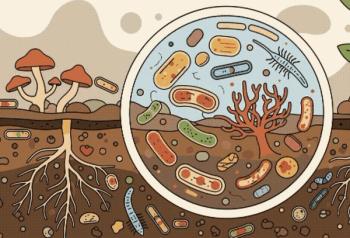
From our latest issue: The Clinical and Laboratory Standards Institute (CLSI) Subcommittee on Antimicrobial Susceptibility Testing (AST) held meetings during January and June 2025. Several breakpoint revisions and new breakpoints were introduced by ad hoc working groups (AHWGs) and subsequently approved by the full subcommittee.The subcommittee approved the removal of doxycycline and tetracycline breakpoints and revised aminoglycoside breakpoints for Acinetobacter spp, and added aztreonam-avibactam breakpoints for Enterobacterales.
The Great Debate: To Extend or Not Extend?
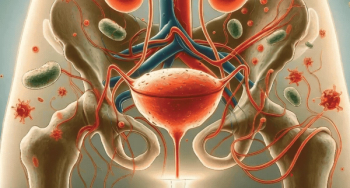
From our latest issue: Antibiotics are commonly administered to patients hospitalized in the United States, and lower respiratory tract infections (eg, community-acquired pneumonia [CAP]) are among the most common reasons for hospitalized patients in the United States to receive antibiotics.1 Approximately two-thirds of patients who are hospitalized for CAP receive antibiotic therapy beyond the recommended duration, which is predominately due to an excess of therapy upon discharge.2 Patients residing in rural areas are more likely to experience suboptimal antibiotic prescribing.3 It remains unclear whether a patient’s home location and access to follow-up care affect prescribing practices upon hospital discharge.
Unlocking New Defenses: The Changing Landscape of Candida auris Management
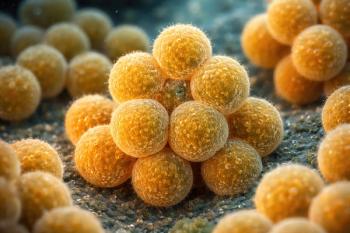
Candida (Candidozyma) auris is a rapidly emerging global nosocomial pathogen with limited therapeutic options. Its persistence on skin and surfaces leads to transmission and outbreaks, making
US Completely Revamps Childhood Vaccine Schedule to Resemble Small European Country
The US Department of Health and Human Services (HHS) has accepted recommendations to update the nation’s childhood immunization schedule, aligning its schedule with that of Denmark. Deputy Secretary of HHS Jim O’Neill, who is serving as acting director of the Centers for Disease Control and Prevention (CDC), signed a decision memorandum formally adopting the recommendations, which stem from a presidential directive. The directive instructed federal health leaders to assess how peer nations structure childhood vaccination schedules and determine whether superior approaches exist abroad while preserving Americans’ access to currently available vaccines.1
How Should We Interpret the Changes to the Childhood Vaccine Schedule?
The US Department of Health and Human Services (HHS)
Newsletter
Stay ahead of emerging infectious disease threats with expert insights and breaking research. Subscribe now to get updates delivered straight to your inbox.