Our Measles Coverage
Check out some of our recent news stories and clinician commentary around the subject.
Two Lancaster County residents have died from measles-associated complications, the state's first measles deaths in 35 years.
The Pennsylvania Department of Health confirmed there have been two measles-associated deaths in residents of Lancaster County. The deaths mark the state's first measles fatalities in 35 years. Both individuals were unvaccinated against the virus.
The deaths occur amid an active measles outbreak, with 393 confirmed cases across 28 counties in Pennsylvania so far in 2026.¹ Measles was largely eliminated in the state for more than three decades prior to this year's surge. Health officials say declining familiarity with the disease has left many residents unaware of its potential severity.
"My deepest sympathies are with the loved ones who are facing this unimaginable loss," Debra Bogen, MD, secretary of Health, said in a statement. "Because measles was largely eliminated in the Commonwealth for more than three decades, people are not familiar with this disease and don't fully understand the potential severity of the illness. As a physician, I want to make sure people understand the MMR vaccine is safe and provides the best protection we have against measles."
Pennsylvania's case count spans nearly a third of the state's counties, reflecting sustained community transmission rather than an isolated cluster. To protect patient privacy, the department has withheld additional identifying details about the individuals and their families. Measles is among the most contagious viruses known, spreading through respiratory droplets when an infected person breathes, coughs, or sneezes.
The virus remains infectious in the air and on surfaces for up to two hours after an infected person leaves an area. This transmissibility allows outbreaks to expand rapidly among unvaccinated populations sharing indoor spaces. Nearly 20% of people who contract measles require hospitalization, and death occurs in one to three of every 1,000 cases, a rare but real risk given the scale of this year's outbreak.
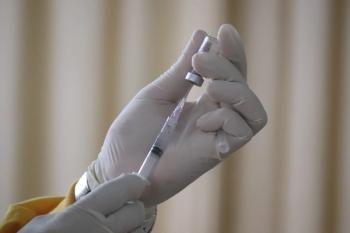
MMR vaccination remains the most effective protection against measles infection, according to the Department of Health. The two-dose vaccine series provides 97% lifetime protection against the virus,¹ and health officials are emphasizing its safety profile amid the outbreak. Vaccination status was a defining factor in both fatal cases reported this week.
Early measles symptoms include fever, cough, runny nose, and conjunctivitis, or red and watery eyes. A characteristic rash follows several days later, beginning on the head and spreading downward across the body. Because early symptoms mimic other respiratory viral infections, clinicians should maintain a high index of suspicion in unvaccinated patients presenting with fever and respiratory symptoms, particularly those with a known exposure history.
Check out some of our recent news stories and clinician commentary around the subject.
Symptom onset typically occurs seven to 21 days after exposure. Without vaccination or timely supportive care, measles can progress to serious complications, including pneumonia and encephalitis, and can be fatal. Clinicians are encouraged to report suspected cases promptly to support ongoing outbreak containment efforts.
Public health officials across Pennsylvania continue to encourage MMR vaccination as case counts climb, with particular outreach to communities with lower coverage rates. Surveillance and contact tracing remain ongoing in affected counties.