In the phase 3 SHIELD II trial, the extended-release doxycycline paste cut surgical site infections to 3.8% from 9.5% with standard of care after colorectal surgery.
In a joint statement by Secretary of State Marco Rubio and Secretary of Health and Human Services Robert F Kennedy, they announced the termination of the country’s membership in the global health organization.
Yesterday, 2 high ranking members within the Trump Administration formally announced the United States withdrew from the World Health Organization (WHO), abiding by the President’s Executive Order.1
According to a joint statement from Secretary of State Marco Rubio and Secretary of Health and Human Services Robert F Kennedy, they said Trump’s decision reflects a judgment that the WHO failed the American people during the COVID-19 pandemic, particularly by mishandling critical information and prioritizing politics over public health. The statement said that during the pandemic, these dynamics allegedly obstructed the timely and transparent sharing of information that could have saved American lives. 1
Going forward, US engagement with the WHO will be limited strictly to completing the withdrawal. All US funding and staffing of WHO initiatives has ceased.1
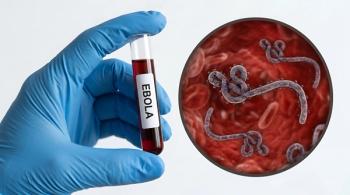
Reactions from the infectious disease community was met with serious concern, especially around biosecurity and global surveillance of everything from influenza to high-consequence infectious diseases like Ebola.
“What the war hawks in our US Govt don’t understand (and refuse to listen) is right now our nation’s greatest vulnerability is biosecurity both from natural viruses + our enemies designing bioweapons,” tweeted vaccine scientist and physician Peter Hotez, MD, PhD.2
“Whether facing emerging threats like Ebola or the persistent burden of annual flu outbreaks, international tracking is essential. By withdrawing from WHO, the US will no longer participate in the Global Influenza Surveillance and Response System, the vital platform for monitoring flu cases and sharing data and viral samples used to develop yearly flu vaccines. This will severely hamper efforts to match vaccines to circulating strains of flu. Withdrawing from the World Health Organization is scientifically reckless. It fails to acknowledge the fundamental natural history of infectious diseases. Global cooperation is not a luxury; it is a biological necessity,” Ronald G. Nahass, MD, MHCM, FIDSA — President, IDSA, said in a statement.3