|Articles|May 13, 2016

Zika Preparedness Funds Made Available by the CDC

It would seem that the Centers for Disease Control and Prevention (CDC) is not waiting for Congress to decide on Zika funding.

It would seem that the Centers for Disease Control and Prevention (CDC) is not waiting for Congress to decide on Zika-funding. In a recent press release, the CDC announced that US states and territories can now apply for funds to fight Zika locally, through the CDC. “More than $85 million in redirected funds identified by the Department of Health and Human Services is being made available to support efforts to protect Americans from Zika infection and associated adverse health outcomes, including the serious birth defect microcephaly.”

According to Stephen C. Redd, MD (RADM, USPHS), director of the CDC’s Office of Public Health Preparedness and Response, "These funds will allow states and territories to continue implementation of their Zika preparedness plans, but are not enough to support a comprehensive Zika response and can only temporarily address what is needed.”

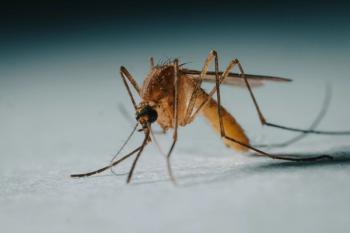
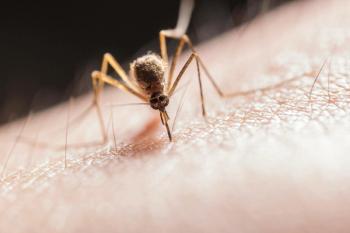
A total of $25 million in fiscal year 2016 funds will go to 53 states, cities, and territories at risk for Zika virus outbreaks. Funds will be distributed based on history of mosquito-borne disease outbreaks; population size; and the geographic locations of Aedes aegypti and Aedes albopictus, the two mosquitoes known to transmit the Zika virus. The funds can be utilized to “strengthen incident management and emergency operations coordination; information management and sharing; and community recovery and resilience.”

The CDC affirms that, “state, local and territorial health officials can use the funds to rapidly identify and investigate a possible outbreak of Zika virus disease in their communities; coordinate a comprehensive response across all levels of government and non-governmental partners (including the healthcare sector); and identify and connect to community services families affected by Zika virus disease.”

Those US states and territories that wish to apply for funds may do so through the CDC. Applications are due by June 13, 2016, and funds will be disbursed during Summer 2016 and remain available through July 2017.

Related to this article

FAQ: What You Need to Know About West Nile Virus in 2026
After 2 adults died of West Nile virus in central North Carolina this month, this FAQ explains how the mosquito-borne virus spreads, who faces the greatest risk of severe neuroinvasive disease, and how clinicians can diagnose, manage, and help prevent infection when no vaccine or antiviral treatment exists.
FAQ: Rising Rabies Exposure Calls PEP Decisions Back in Focus
Following World Rabies Day and a CDC health advisory on a 17% rise in exposure-related calls, Rodney E. Rohde, PhD, explains what the increase means, what people should do when they have an animal bite or scratch, and how clinicians should assess risk and administer post-exposure prophylaxis (PEP).
FAQ: Ebola Prevention, Treatment and the Chances of a US Outbreak
As the Bundibugyo virus outbreak in the Democratic Republic of the Congo surpasses 9300 confirmed cases and 4400 deaths, this FAQ explains how the virus spreads, how it presents, why it is hard to diagnose and treat, which vaccines and therapies are being tested, and why CDC considers the risk to the United States low.