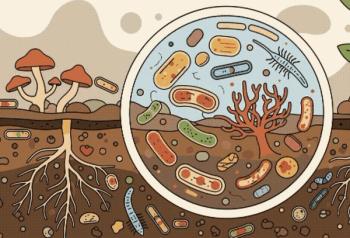
Widespread antimicrobial use disrupts vital microbial communities that regulate Earth’s biogeochemical cycles, driving antimicrobial resistance, worsening human and environmental health, and significantly contributing to climate change.
Researchers may have found a way to broaden the US kidney transplant supply list.
Researchers from University of Pennsylvania (UPenn), may have found a way to increase the kidney supply for patients in need of organ transplants.
Currently, at least 500 kidneys are discarded each year due to infection with hepatitis C (HCV). However, a group of scientists from Penn Medicine launched the first clinical trial that would transplant kidneys from deceased donors infected with HCV to uninfected patients who were on the transplant list. Now, pilot study results show that, after receiving therapy, the virus has been eradicated in all study patients.
“We started this trial in the hopes that, if successful, we could open up an entirely new pool of donor organs, and effectively transplant hundreds, if not thousands, more patients who are awaiting a lifesaving organ,” said trial co-leader David S. Goldberg, MD, MSCE, and an assistant professor at the university’s Raymond and Ruth Perelman School of Medicine. “If future studies are successful, this may be a viable option for patients who may otherwise never see a transplant.”
There are currently more than 97,000 US patients awaiting kidney transplants, according to an April 30
Dr. Goldberg and colleagues at the UPenn began the clinical trial in 2016. They sought to determine the safety and efficacy of transplantation of kidneys from HCV genotype 1-viremic donors into HCV-negative patients, followed by treatment with the direct-acting antiviral (DAA) drug elbasvir—grazoprevir (Zepatier/Merck & Co.). The trial was supported by a research grant from the Merck Investigator Initiated Studies Program. The pharmaceutical company, based in Kenilworth, NJ, supplied the antiviral drugs, while an external data and safety monitoring board reviewed the trial.
Ten patients with a median age of 59 received HCV-infected kidneys after becoming eligible to participate in the transplantation. The recipients were investigated for signs of the liver-attacking virus 3 days after surgery, and all 10 tested positive. Next, the patients were treated with the standard 12-week course of Zepatier, a recently-approved DAA. All 10 patients attained sustained virologic response (SVR), indicating that they were cured, 12 weeks after the end of treatment, according to Penn Medicine.
“Direct-acting antiviral agents, which are associated with high HCV cure rates and manageable side effects, have created the potential to substantially increase the number of kidney transplants by making HCV-infected kidneys available to HCV-negative candidates on the waiting list,” said the research team.
Following the early positive results, the team was granted an extension that will permit members to transplant and treat an additional 10 patients. They are designing a new clinical trial to study the approach in people who are heart transplant recipients. In the future, the research team hopes to examine the efficacy for liver and lung transplants.
The authors have vouched for the completeness and accuracy of the data and analysis and for adherence to the trial’s protocol. Dr. Goldberg led the study with Peter Reese, MD, MSCE, who is an assistant professor of medicine and epidemiology at Penn and chair of the ethics committee for the United Network of Organ Sharing (UNOS). The findings were reported at the 2017 American Transplant Congress in Chicago and in a letter published in the New England Journal of Medicine.