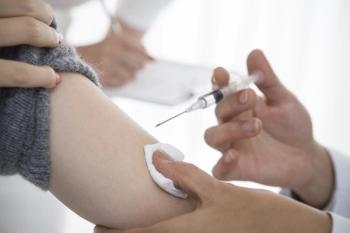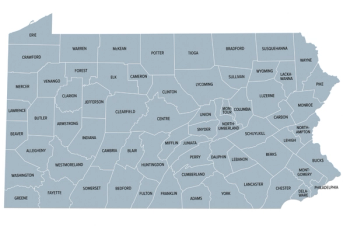
A 39-year-old unvaccinated Franklin County woman has died after a recent measles diagnosis. Nationally, numbers continue to increase and the US has passed 4,000 cases.
The logistics of supplying the vaccine are being handled by a collaboration of federal agencies. The DoD, parts of HHS, and CDC are coordinating supply, production, and distribution.
Federal agencies, including the Department of Health and Human Services (HHS) and the Department of Defense (DoD), have detailed plans to carry out a key future step in
As stated in the report, the “principal purpose and objective of Operation Warp Speed (the US accelerated vaccine program)” is “ensuring that every American who wants to receive a COVID-19 vaccine can receive one, by delivering safe and effective vaccine doses to the American people beginning January 2021.”
The plan suggests that the federal government intends for the vaccine to be provided at no cost to individuals who request it.
The report is addressed to congress, and authors state that federal funding enabled “strong progress” toward a “safe and effective COVID-19 vaccine with multiple candidates in phase 3 clinical trials.”
Notably, the
Vaccine development is currently being led by experts from HHS.
The logistics of supplying the vaccine are being handled by a collaboration of federal agencies; DoD, parts of HHS, and the Centers for Disease Control and Prevention (CDC) are coordinating supply, production, and distribution of coronavirus vaccines.
Success demands “precise coordination across federal, state, local, tribal, and territorial governments and among many public and private partners” according to the strategy document. According to HHS, cooperation between these coordinating stakeholders has already begun.
Operation Warp Speed intends to use the “strength of existing vaccine delivery infrastructure” while “leveraging innovative strategies, new public-private partnerships, and robust engagement of state, local, tribal, and territorial health departments to ensure efficient, effective, and equitable access to COVID-19 vaccines.”
The report’s authors explained that some variables in planning will remain unknown until a vaccine is authorized or approved by the US Food and Drug Administration (FDA).
These outstanding questions include which populations a given vaccine is most appropriate for, safe storage requirements, dosage needs, professional prioritizations in the initial rollout, and many other variables.
Interestingly, the opening of the document outlines a long-term eventual objective of the vaccine program which goes beyond the mere development of a COVID-19 preventative:
“The eventual objective of the vaccination program is to leave the U.S. government and commercial infrastructure better able to respond to pandemics and public health crises in the future,” authors conclude.
The full report, From the Factory to the Frontlines: the Operation Warp Speed Strategy for Distributing a COVID-19 Vaccine, can be read
The COVID-19 Live Vaccine Tracker can be viewed
More coronavirus vaccine race stories can be found