|Articles|March 17, 2020

Telemedicine Could Be Major Asset in Fight Against COVID-19

Many of the features of telemedicine are well-suited for helping patients with COVID-19 while minimizing the risk to health care workers.

Telemedicine technology is a small but significant part of overall health care delivery in the United States, but a new article argues it ought to be a major part of how American health care health care organizations respond to the outbreak of COVID-19.

The article was published last week in The New England Journal of Medicine, and was written by Judd E. Hollander, MD, of the Sidney Kimmel Medical College of Thomas Jefferson University, in Philadelphia, and Brendan G. Carr, MD, of the Icahn School of Medicine at Mount Sinai, New York.

Hollander and Carr write that many features of COVID-19 make it relatively easy to screen patients and refer them for testing via telemedicine.

“Respiratory symptoms—which may be early signs of COVID-19—are among the conditions most commonly evaluated with this approach,” they write. “Health care providers can easily obtain detailed travel and exposure histories. Automated screening algorithms can be built into the intake process, and local epidemiologic information can be used to standardize screening and practice patterns across providers.”

Furthermore, by using telemedicine, providers can avoid risk to themselves or their colleagues.

If the number of available diagnostic tests and testing sites increases, it might be possible to diagnose patients completely without the need for the patient to visit the physician in-person.

The authors note that even if a patient comes into the emergency department, telemedicine can play a role. For instance, a remote physician could conduct screenings of patients with respiratory symptoms using a tablet computer. High-risk patients could then be isolated more quickly. Telemedicine can also be used to connect with specialists, they note.

However, telemedicine could have a role to play to help patients who are not suspected of COVID-19 by converting scheduled office visits to telemedicine visits, thereby eliminating any risk the patient might face if he or she ended up in the waiting room alongside someone with the novel coronavirus.

If telemedicine inherently brings a wide number of benefits to the COVID-19 pandemic, it also comes with 1 major question mark—billing.

“The main barriers to maintaining usual care by telemedicine require changes that are unlikely to come from the federal level,” Hollander and Carr write, noting that commercial reimbursement, Medicaid reimbursement, and credentialing all are handled at the state level, and thus can vary significantly by state. Only 1 in 5 states requires payors to pay the same amount for a telemedicine service as they pay for in-person visits.

One positive sign, say Hollander and Carr, is that both the Centers for Medicare and Medicaid Services and some insurers have decided to alter their payment policies for the COVID-19 outbreak.

“We hope others will follow suit,” they add.

Ultimately, the authors write that while telemedicine is not a panacea, it can facilitate a significant amount of health care provision in a manner that is less taxing on facilities and less dangerous to healthcare workers.

“Though telehealth will not solve them all, it’s well suited for scenarios in which infrastructure remains intact and clinicians are available to see patients,” they conclude.

For the most recent case counts in the COVID-19 pandemic, visit the Contagion® Outbreak Monitor.



Related to this article

Inhaled Amikacin Shows Low Resistance Rates in MAC Lung Disease in ENCORE
In the phase 3b ENCORE trial, adding amikacin liposome inhalation suspension (ALIS) to azithromycin and ethambutol significantly improved culture conversion in newly diagnosed MAC lung disease, while treatment-emergent amikacin (2.2%) and macrolide (1.1%) resistance stayed rare. Kevin Winthrop, MD, provides insights around the study.
Measles Update: October 16, 2026
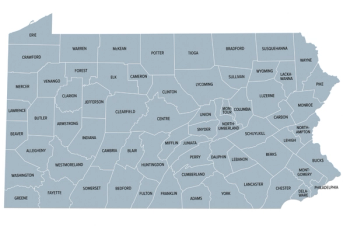
The latest CDC numbers show an 8.1% increase in measles cases from week-to-week, bringing the 2026 US total to 4410 confirmed cases. A CDC disease detective is going to Pennsylvania to aid in the state's massive outbreak, and the agency reports on a rare measles complication that is uniformly fatal.
NFID Survey Finds Respiratory Vaccine Gap Driven by Lack of Clarity, Not Hesitancy
The National Foundation for Infectious Diseases (NFID) recently held its respiratory season kick-off, which included the release of its annual respiratory disease survey. This year, the survey revealed the gap between vaccine support and uptake. Robert Hopkins Jr, MD, medical director of NFID delves deeper into the findings of the survey and the vaccine uptake challenges associated with certain immunizations.
Measles Update: October 9, 2026
The latest CDC numbers show a 5.0% increase of measles cases from week-to-week. The US total reached 4080 confirmed cases, 78% above all of 2025.
FAQ: What You Need to Know About Measles in 2026
With US measles cases nearing 3,900 this year and Pennsylvania reporting its fifth measles-related death, here is a review of how the virus spreads, how it is prevented and managed, and what severe disease looks like.