
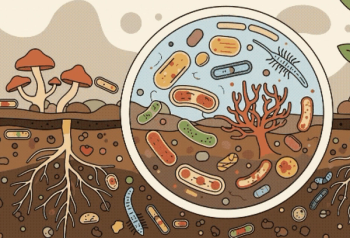
Widespread antimicrobial use disrupts vital microbial communities that regulate Earth’s biogeochemical cycles, driving antimicrobial resistance, worsening human and environmental health, and significantly contributing to climate change.
Widespread antimicrobial use disrupts vital microbial communities that regulate Earth’s biogeochemical cycles, driving antimicrobial resistance, worsening human and environmental health, and significantly contributing to climate change.

Daptomycin-resistant Enterococcus faecium bacteremia is an emerging, high-mortality challenge in transplant and other high-risk patients, requiring early recognition, aggressive source control, and reliance on limited alternatives—most notably linezolid—with combination or salvage therapies considered when options are constrained.

Several combination products are currently in development for people with HIV. Here is a review of these treatments.

Despite competing national crises drawing attention elsewhere, experts warn that the ongoing H5N1 avian influenza outbreak in birds, cattle, and humans in the United States highlights critical gaps in surveillance, worker protections, and pandemic preparedness that must be addressed to prevent a future pandemic.

Histoplasmosis is a widely distributed and often underdiagnosed fungal infection that can cause severe, sometimes fatal disease—especially in immunocompromised patients—due largely to persistent diagnostic delays and limited routine testing. Here is a review of diagnostics and treatment for the fungal infection.

A multicenter retrospective study found that the DENOVi clinical prediction score can safely help rule out infective endocarditis in patients with enterococcal bacteremia while reducing unnecessary echocardiography.
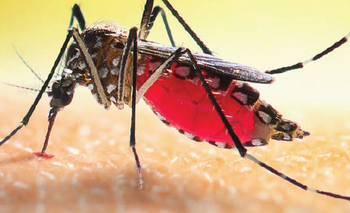
A study found that the investigational antiviral mosnodenvir reduced dengue virus infection RNA levels and symptoms in a controlled setting, supporting its potential as a prophylactic option.

Editor-in-Chief Jason Gallagher, PharmD, FCCP, FIDP, FIDSA, BCPS, discusses how a coalition of major medical professional societies needed to step in to sue the federal government after sweeping changes to US vaccine policy under Health and Human Services Secretary Robert F. Kennedy Jr. reshaped the CDC’s vaccine advisory process. The medical organizations argued that the evidence-based foundations of public health recommendations had been compromised.
View our interactive Spring 2026 digital edition.