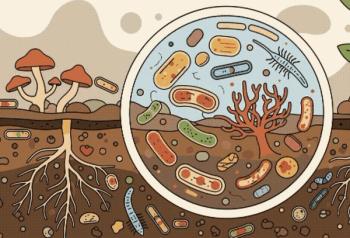
Widespread antimicrobial use disrupts vital microbial communities that regulate Earth’s biogeochemical cycles, driving antimicrobial resistance, worsening human and environmental health, and significantly contributing to climate change.
Findings from a recent study challenge the need for high-dose trimethoprim-sulfamethoxazole in managing Stenotrophomonas maltophilia pneumonia, finding lower doses may offer comparable efficacy.
Stenotrophomonas maltophilia has become an increasingly recognized cause of nosocomial infections, especially in patients with underlying lung disease or immunocompromising conditions.1
Although often considered less pathogenic than other hospital-acquired pathogens, S maltophilia can cause serious infections, predominantly pneumonia, with reported mortality rates ranging from 25% to 56%.2,3 Though therapeutic options are scarce due to multiple intrinsic resistance mechanisms, trimethoprim-sulfamethoxazole (TMP-SMX) remains a common treatment choice, given low in vitro resistance rates and historical experience.4 However, as highlighted in recent guidance on gram-negative resistance, distinguishing colonization from infection and frequent polymicrobial isolation can complicate treatment decisions and contribute to a lack of robust clinical evidence supporting TMP-SMX efficacy, let alone the optimal dosing strategy.5
Given the known dose-dependent toxicities of TMP-SMX (eg, hyperkalemia, myelosuppression, and nephrotoxicity), finding the right balance between adequate antimicrobial dosing and minimizing harm remains an important area of uncertainty. To address this knowledge gap, Taranto et al conducted a retrospective cohort study at an academic tertiary care hospital comparing clinical outcomes among hospitalized adults who received low-dose (LD; 8-12 mg/kg/d) vs high-dose (HD; > 12 mg/kg/d) TMP-SMX for culture-confirmed S maltophilia pneumonia. Eligible patients had to receive TMP-SMX at a dose of at least 8 mg/kg daily (TMP component) for a minimum of 96 hours between October 1, 2012, and September 30, 2022, with dosing based on body weight or adjusted body weight in cases of obesity.
Patients whose TMP-SMX dose was reduced from high to low due to an adverse event were analyzed in the high-dose group based on their initial intended dosing. Pneumonia was defined using both clinical and radiographic criteria. Key exclusion criteria included TMP-SMX nonsusceptibility, creatinine clearance of less than 30 mL per minute (the labeled threshold for renal dose adjustment of TMP-SMX), receipt of dialysis, and administration of combination therapy targeting S maltophilia for more than half of the treatment course.6
The primary outcome was clinical success at end of therapy, defined as improvement or resolution of infection without the need for additional S maltophilia–directed therapy. Secondary outcomes included microbiological success, infection-related and all-cause inpatient mortality, recurrence, emergence of TMP-SMX resistance, and the incidence of treatment-related acute kidney injury and hyperkalemia. Descriptive and inferential statistics were used for data analysis.6
Of the 95 patients included (20 with LD, 75 with HD), most had critical illness: 75% were in an intensive care unit, and 66% had mechanical ventilation at diagnosis. The index respiratory culture was polymicrobial in approximately half of cases. Median TMP-SMX doses were 10.2 mg/kg (LD) and 14.8 mg/kg (HD), with no difference in treatment duration or use of combination therapy (all received minocycline). Patients in the LD group had lower baseline creatinine clearance (58.5 mL/min [range, 45-86 mL/min] vs 103 mL/min [range, 68-162 mL/min]; P < .0001), were more likely to require continuous renal replacement therapy (40% vs 15%; P = .01), and had higher median Sequential Organ Failure Assessment (SOFA) scores (8.5 [range, 4.5-11.5] vs 4 [range, 2-7]; P = .01).
Clinical success at end of therapy did not differ significantly (55% for the LD group vs 63% for the HD group; P = .53), even after adjusting for SOFA score. Similarly, there were no detected differences in secondary outcomes between groups.6 Several factors limit the interpretation of these findings. Despite multivariable adjustment, as a single-center retrospective cohort, it was subject to potential confounding and selection bias, and the small sample size may have limited statistical power to detect meaningful differences. More than half of the patients had polymicrobial cultures, complicating attribution of outcomes solely to TMP-SMX dosing for S maltophilia, and therapeutic drug monitoring was not available, limiting insight into drug exposure and pharmacokinetics. Additionally, the study did not assess the timing of antibiotic initiation, which can affect outcomes in severe pneumonia, nor did it systematically evaluate the impact of other nephrotoxic medications that may have contributed to adverse events.
Although underscoring the common challenges in investigating S maltophilia infections, this study contributes meaningful real-world evidence to an area with limited guidance by suggesting that higher TMP-SMX doses (> 12 mg/kg/d) may not offer additional clinical benefit compared with lower dosing (8-12 mg/kg/d), even in patients with critical illness. Given the frequent renal impairment and severity of illness in this population, avoiding unnecessarily high doses aligns with antimicrobial stewardship principles and helps preserve TMP-SMX as a viable option for an infection with few alternatives. In the absence of compelling evidence for higher dosing, TMP-SMX doses of 8 to 12 mg/kg daily may represent an appropriate balance between efficacy and safety for many patients.
9 months ago
COVID-19: The Gaps in Science Communication9 months ago
The Great Debate: To Extend or Not Extend?9 months ago
Destruction From Within, Resistance From Without10 months ago
Contagion Fall/Winter 2025-2026 Digital Edition