Proper Tick Removal
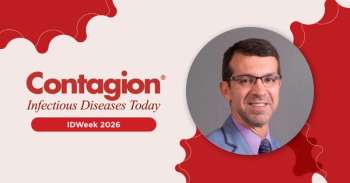
Handel provides a brief demonstration on how to properly remove ticks from the skin.
Watch the first installment of the interview: Preventing Tick Bites, Safely Removing Them, and When to Seek Medical Care
In the second installment of our interview with Andrew Handel, MD, he provides insights on Lyme Disease treatment in the pediatric population.
Lyme disease continues to spread into new regions across the United States, prompting renewed educational efforts in May during Lyme Disease Awareness Month. Infectious disease specialists say early recognition and proper treatment remain key to preventing complications from tick-borne illnesses.
Treatment recommendations vary depending on whether a person has simply been bitten by a tick or has developed symptoms of infection. In many cases, patients who experience a tick bite may receive a preventive single-dose course of doxycycline. However, confirmed cases of Lyme disease and other tick-borne infections often require longer antibiotic treatment based on symptom severity.
Andrew Handel, MD, pediatric infectious diseases physician at Stony Brook Children's Hospital and Stony Brook’s Regional Tick-Borne Disease Resource Center in Hampton Bays, NY, explained that treatment duration depends on how the disease presents clinically.
“For Lyme disease in particular, the duration of the treatment depends on the symptoms that you have,” Handel said. “If you have just a single target lesion, a bull’s eye rash, that’s recommended to be treated with 10 days of doxycycline.”
Handel provides a brief demonstration on how to properly remove ticks from the skin.
Watch the first installment of the interview: Preventing Tick Bites, Safely Removing Them, and When to Seek Medical Care
More serious complications, including neurologic symptoms or Lyme arthritis, may require extended treatment courses lasting up to 28 days.
Despite growing concern about Lyme disease nationwide, Handel emphasized that outcomes are overwhelmingly positive for most pediatric patients.
“I always like to remind everyone not to panic,” Handel said. “When their children do have Lyme disease, the vast, vast majority will improve rather quickly with antibiotics, and once they finish their course, very few will have any lingering symptoms.”