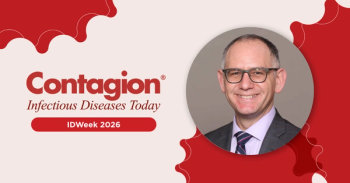
“We're really here to connect the researchers, and given that there are a number of prominent people in ASM membership that do phage, that this was something we could accomplish,” Kraft said.
She explained that ASM identified phage therapy as an area where the organization could have a meaningful near-term impact by helping coordinate efforts among basic scientists, clinical microbiologists, and healthcare providers.
Addressing Antimicrobial Resistance
A primary driver behind ASM's interest in phage therapy is its potential role in addressing antimicrobial resistance. As bacteria continue to evolve mechanisms that render antibiotics less effective, phages may provide an additional therapeutic option because they can directly target and kill resistant bacteria.
Rather than viewing phage therapy as a replacement for antibiotics, ASM sees it as a complementary treatment that could be introduced earlier in the course of care. Current studies often use phages alongside existing therapies, and researchers are interested in determining whether earlier intervention could improve patient outcomes.
“Phages are usually used in addition to other therapeutics; and the other thing we've really thought about in the last few months is that phage needs to be considered earlier,” Kraft said. “So instead of waiting until your patient has no other options and there's nothing else you can do for them…we want to try to see if we can think about it earlier, and if that changes the course of these individuals.”
One of the major challenges remaining for clinicians is to secure phages, so ASM wants to connect providers to researchers who maintain collections of therapeutic phages. ASM hopes its coordination efforts can help organize available phage inventories, establish treatment standards, and streamline access for future clinical use.
“We want to connect people. We're not funding the research in phage…but we want to see what's being done out there, catalog it, characterize it on behalf of those scientists, and then see if there's a way we can basically bring it into clinical care,” Kraft said.
By fostering collaboration and improving coordination, ASM aims to help determine whether phage therapy can become a scalable and effective addition to the growing arsenal against drug-resistant bacterial infections.