Jason Pogue, PharmD, BCPS, BCIDP, contextualizes preliminary data looking at this trial and other extended-spectrum beta-lactamase (ESBL) studies, which reopens the debate around carbapenem-sparing treatment options.
Jacinda Abdul-Mutakabbir, PharmD, MPH, discusses her research in this area and how to potentially mitigate these treatment disparities.
Evidence regarding the association of social determinants of health (SDOH) with treatment failure (TF) in uncomplicated urinary tract infections (uUTI) has been limited. Jacinda Abdul-Mutakabbir, PharmD, MPH, assistant professor of clinical pharmacy and antimicrobial resistance researcher at UC San Diego, has been studying the intersection of racism, antimicrobial resistance, and vaccine equity and wanted to further explore UTI treatment and what type of role the SDOH play in patients’ care.
Her study, which was presented at IDWeek 2025, included female patients 12 years and older with uUTI. TF was defined as having a second oral antibiotic (ABX), intravenous ABX, or emergency department or inpatient stay with a primary diagnosis of UTI ≤ 28 days after the first oral ABX claim. Univariate comparisons between TF and no-TF cohorts were done using Z-tests for proportions and t-tests for means.
In terms of identifying the SDOH, there were several factors in patients with TF including patients living in rural areas, those who had limited access to primary care providers, or mental health providers, chronic disease burden, including diabetes and obesity. Possibly the most surprising and subtle factor was food insecurity.
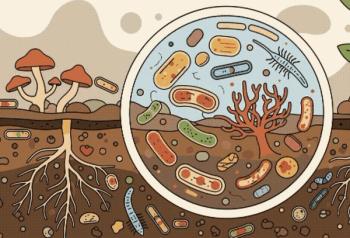
“Folks that were food insecure were more likely to have treatment failure. But then I had to think about the fact that the foods that you eat, or don't eat, can contribute to your microbiome,” Abdul-Mutakabbir said. “That microbiome can influence your susceptibility to the infection.”
As there are millions of Americans living in rural settings and may have limited providers, she says there is a preventive care model that she is helping to employ in a large city setting that could also be applicable to rural settings.
“I currently partner with the health department, and we go to areas where we note that there may be shortages in healthcare and we provide preventative services there. That could be a model for how it is that we address UTIs,” Abdul Mutakabbir said.
She mentions a colleague who takes a mobile vehicle and goes into rural communities in New Mexico where they do test-and-treat programs for sexually transmitted infections. They test with rapid assays and treat patients right there all in the same appointment.
“We have the opportunities, and we have the existing models to follow,” Abdul-Mutakabbir said.
This is the first installment of a 2-part interview. In the next episode, Abdul-Mutakabbir discusses another study around uUTIs and looking at other interventions to improve outcomes in women.