
In the second installment of a 2-part interview, Jacinda Abdul-Mutakabbir, PharmD, MPH, offers some novel findings around UTI treatment failure associated with levels of education and insurance payers.
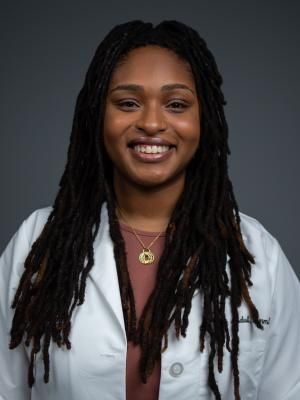
Abdul-Mutakabbir is an assistant professor of Clinical Pharmacy and antimicrobial resistance researcher at the University of California San Diego. Her translational research program is focused on identifying inequities in antimicrobial resistance and stewardship to inform tailored interventions for vulnerable communities.
In the second installment of a 2-part interview, Jacinda Abdul-Mutakabbir, PharmD, MPH, offers some novel findings around UTI treatment failure associated with levels of education and insurance payers.
Jacinda Abdul-Mutakabbir, PharmD, MPH, discusses her research in this area and how to potentially mitigate these treatment disparities.

In the second installment of an interview with Jacinda Abdul-Mutakabbir, PharmD, MPH, she continues the discussion around limited to no health care engagement due to these factors, and the importance of translating data from the bench to bedside when looking at disease and infection prevention.
Jacinda Abdul-Mutakabbir, PharmD, MPH, provides insights on her recently published study on this topic and how the 2 are connected.

The antimicrobial resistance (AMR) crisis stems from natural microbial adaptation and the lack of new antimicrobials in development. Vulnerable populations worldwide, including within the US, are disproportionately affected, exacerbating the spread of resistance.
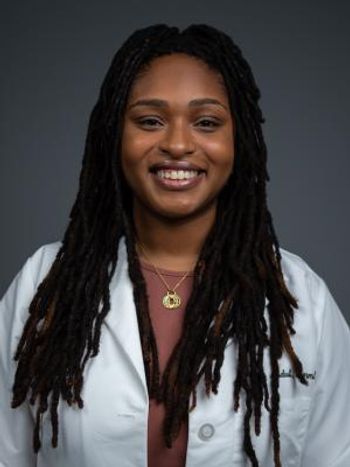
Jacinda Abdul-Mutakabbir, PharmD, MPH, AAHIVP, discusses her work on the Equity in Antimicrobial Stewardship Efforts (EASE) framework, including progress for it, and how other institutions or providers can implement it.

The ideal parameter for vancomycin monitoring is the area under the curve, which can be calculated using pharmacokinetic equations or Bayesian software.

Tina Tan, MD; Wendy Wright, DNP, ANP-BC, FNP-BC, FAANP, FAAN, FNAP; Priya Nori, MD; Jacinda Abdul-Mutakabbir, PharmD; and Kevin Michael Reiter, MD, PA, provide key takeaways from the discussion on the treatment of respiratory viral infections.
Experts address patient hesitancy around both COVID-19 and influenza vaccines.

Jacinda Abdul-Mutakabbir, PharmD, comments on building trust with community members and educating people about respiratory infection vaccines.
Experts share their approach to encouraging patients with symptoms of respiratory infections to get tested and vaccinated, and how that helps to control the spread of sickness.
Wendy Wright, DNP, ANP-BC, FNP-BC, FAANP, FAAN, FNAP, and Jacinda Abdul-Mutakabbir, PharmD, discuss what both the clinician and the patient need to know about testing for respiratory viruses.
Priya Nori, MD, comments on the use of at-home tests for respiratory disease, including for COVID-19 and influenza.
Jacinda Abdul-Mutakabbir, PharmD, examines the mechanisms of action of the different respiratory viral infection tests.
Experts review testing recommendations for respiratory viral infections and the types of testing options available.
Expert panelists continue the discussion of treatment for patients with coinfection of respiratory diseases.
Tina Tan, MD; Wendy Wright, DNP, ANP-BC, FNP-BC, FAANP, FAAN, FNAP; Priya Nori, MD; Jacinda Abdul-Mutakabbir, PharmD; and Kevin Michael Reiter, MD, PA, comment on the overlap of respiratory infections and their approach to getting people treatment.
Experts provide an overview of the clinical presentations of respiratory infections such as COVID-19, influenza, and respiratory syncytial virus.
Tina Tan, MD; Wendy Wright, DNP, ANP-BC, FNP-BC, FAANP, FAAN, FNAP; Priya Nori, MD; Jacinda Abdul-Mutakabbir, PharmD; and Kevin Michael Reiter, MD, PA, discuss patient populations that are at greater risk of contracting and suffering from complications related to respiratory viruses.

Drs Jacinda Abdul-Mutakabbir, Madeline King, Rodney Rohde, and expert nurse practitioner Wendy Wright provide insight on receiving the influenza vaccine concurrently with the SARS-CoV-2 booster shot, and comment on data on immune responses from the Moderna and Pfizer/BioNTech vaccines.
Experts in the management of SARS-CoV-2 educate on CDC and FDA recommendations for approaching administration of booster vaccines, including those for special patient populations.
Wendy Wright, DNP, ANP-BC, FNP-BC, FAANP, FAAN, FNAP; Jacinda Abdul-Mutakabbir, PharmD; and Rodney E. Rohde, PhD, MS, SM(ASCP)CM, SVCM, MBCM, FACSc; review what encompasses a bivalent vaccine and give their perspective on how to communicate the role of the vaccine in optimizing protection for patients.
Rodney E. Rohde, PhD, MS, SM(ASCP)CM, SVCM, MBCM, FACSc, leads a discussion on the constant evolution of SARS-CoV-2 variants and the impact on vaccine and booster shot development and administration.
Jacinda Abdul-Mutakabbir, PharmD; Wendy Wright, DNP, ANP-BC, FNP-BC, FAANP, FAAN, FNAP; and Madeline King, PharmD, BCIDP, examine the efficacy and real-world implications of the COVID-19 booster shot in terms of vaccination protection rates.
Wendy Wright, DNP, ANP-BC, FNP-BC, FAANP, FAAN, FNAP, leads a discussion on the challenges subvariants of SARS-CoV-2 present in terms of vaccination and approaching optimal communication to the public surrounding vaccination.
Expert health professionals share their thoughts on variants of concern vs variants of interest of the SARS-CoV-2 strains as they relate to clinical practice.
Jacinda Abdul-Mutakabbir, PharmD, discusses the difference between the original SARS-CoV-2 strain and subvariant strains.

This agent is likely best utilized as part of a combination when treating this bacterium but data regarding appropriate combinations are scarce.

This novel, rapid diagnostic assay uses polymerase chain reaction and magnetic resonance to identify the 5 most common Candida species.
December 3rd 2024

November 16th 2022
November 23rd 2022