|Articles|September 12, 2020

AstraZeneca, Oxford Resume COVID-19 Vaccine Trial After Safety Review

Investigators resumed phase 3 international assessments after independent committees and regulators deemed it safe to do so.

AstraZeneca and University of Oxford investigators have resumed clinical trials for coronavirus 2019 (COVID-19) candidate vaccine AZD1222 in the UK following sign-off from independent reviewers that it would be safe to do so.

The vaccine trial, which is currently in phase 3 stages in the US, was put on hold earlier this week after reports that a serious adverse event hospitalized a UK participant. An AstraZeneca spokesperson said in a statement at the time that voluntarily pausing investigation of the promising vaccine candidate was a routine action brought upon by “whenever there is a potentially unexplained illness in one of the trials.”

The affected participant was anticipated to recover from the adverse event shortly after the announced pause.

On Saturday morning, the pharmaceutical company announced they had received confirmation from the Medicines Health Regulatory Authority (MHRA) based on reports from independent committees and international regulators that it was safe to resume its large-scale, international assessment.

“AstraZeneca and the University of Oxford, as the trial sponsor, cannot disclose further medical information,” the company wrote in a statement. “All trial investigators and participants will be updated with the relevant information and this will be disclosed on global clinical registries, according to the clinical trial and regulatory standards.”

AZD1222 was co-invented by the University of Oxford and its spin-out company, Vaccitech. It uses a replication-deficient chimpanzee viral vector based on a weakened version of an adenovirus that causes infections in chimpanzees and contains the genetic material of the SARS-CoV-2 virus spike protein.

In July, the pharmaceutical company reported interim results from their ongoing phase 1/2 trial showing AZD1222 was generally tolerable, and generated robust immune responses against the SARS-CoV-2 virus in all evaluated participants.

This last Tuesday morning, AstraZeneca was among 9 pharmaceutical companies to sign a letter pledging the continued assurance and monitoring for safety and tolerability in the first COVID-19 vaccine candidates, in response to reports that a vaccine may be regulated and distributed in alignment with the upcoming US Presidential Election in November.

The company reiterated its commitment to safety and highest-standard clinical investigations as they pursue phase 3 outcomes for the would-be first COVID-19 vaccine in the US.

“The company will continue to work with health authorities across the world and be guided as to when other clinical trials can resume to provide the vaccine broadly, equitably and at no profit during this pandemic,” they wrote.



Related to this article

Pfizer 25-Valent Pneumococcal Vaccine Boosts Serotype 3 Response in Infants
Alejandra Gurtman, MD, discussed the phase 2 data at IDWeek 2026 which showed the investigational 25-valent pneumococcal conjugate vaccine 25vPnC produced serotype 3 antibody levels about 15-fold higher than Prevnar 20 after the booster dose, targeting a serotype still behind 10.6% of invasive pneumococcal disease in US children younger than five years.
Measles Update: October 23, 2026
The latest CDC numbers show a 4.0% increase in measles cases from week-to-week, bringing the 2026 US total to 4588 confirmed cases. Ninety-six percent of cases are outbreak-associated.
Inhaled Amikacin Shows Low Resistance Rates in MAC Lung Disease in ENCORE
In the phase 3b ENCORE trial, adding amikacin liposome inhalation suspension (ALIS) to azithromycin and ethambutol significantly improved culture conversion in newly diagnosed MAC lung disease, while treatment-emergent amikacin (2.2%) and macrolide (1.1%) resistance stayed rare. Kevin Winthrop, MD, provides insights around the study.
Measles Update: October 16, 2026
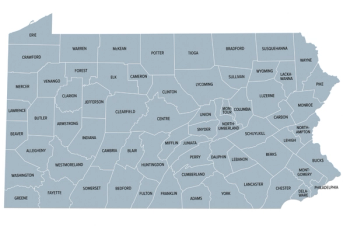
The latest CDC numbers show an 8.1% increase in measles cases from week-to-week, bringing the 2026 US total to 4410 confirmed cases. A CDC disease detective is going to Pennsylvania to aid in the state's massive outbreak, and the agency reports on a rare measles complication that is uniformly fatal.
NFID Survey Finds Respiratory Vaccine Gap Driven by Lack of Clarity, Not Hesitancy
The National Foundation for Infectious Diseases (NFID) recently held its respiratory season kick-off, which included the release of its annual respiratory disease survey. This year, the survey revealed the gap between vaccine support and uptake. Robert Hopkins Jr, MD, medical director of NFID delves deeper into the findings of the survey and the vaccine uptake challenges associated with certain immunizations.
Measles Update: October 9, 2026
The latest CDC numbers show a 5.0% increase of measles cases from week-to-week. The US total reached 4080 confirmed cases, 78% above all of 2025.