
News|Articles|December 17, 2025
CDC Adopts Individual-Based Decision-Making for Hepatitis B Vaccine for Infants
Author(s)John Parkinson
Fact checked by: Nicole Canfora Lupo
This new recommendation relates to infants born to women who test negative for hepatitis B. This is a departure from the federal agency’s previous recommendation and comes on the heels of the ACIP’s recent meeting.
Advertisement
The Centers for Disease Control and Prevention (CDC) has officially adopted individual-based decision-making for the hepatitis B vaccine for parents deciding whether to give the hepatitis B vaccine, including the birth dose, to infants born to women who test negative for the virus.1
This comes after the CDC’s Advisory Committee on Immunization Practices (ACIP) 2-day meeting, held December 4 to 5, 2025, discussing the recommended universal birth dose of the hepatitis B vaccine.
"This recommendation reflects ACIP's rigorous review of the available evidence," Acting Director of the CDC and Deputy Secretary of Health and Human Services Jim O'Neill, said in a statement. 1
It is important to note that the decision to immunize children against hepatitis B has always come with parental consent, and that no safety data were presented showing adverse effects in giving the birth dose during the December ACIP meeting.
This new recommendation is a major change in the face of the previous long-standing vaccine recommendation that all infants be administered the first dose of the hepatitis B virus (HBV) immunization within 12 to 24 hours of life. This previous guidance had been established practice for decades, and demonstrated great efficacy. In fact, the universal HBV vaccine birth dose recommendation has long been seen as a successful public health program.
Between 1991 and 2019, HBV infection among children and adolescents dropped 99%, preventing tens of thousands of cases of cirrhosis, liver cancer, and death.2
With this recommendation change, negative medical results could be realized. A
Additionally, for each year a delayed birth dose policy is in place, the modeling projections show that delaying the birth dose to 2 months would result in at least 62 preventable deaths and 39 cases of liver cancer.3
The CDC said that for infants born to mothers who test positive for hepatitis B or whose status is unknown, the currently recommended birth dose of hepatitis B vaccine and immunoglobulin continues with no change.
Also, the federal agency said the adoption of individual-based decision-making for hepatitis B immunization maintains consistency of coverage through all payment mechanisms, including entitlement programs such as the Vaccines for Children Program, Children's Health Insurance Program, Medicaid, and Medicare, as well as insurance plans through the federal Health Insurance Marketplace.1
Serology Testing
In the announcement, the federal agency said it was reviewing ACIP's secondary recommendation that parents should consult with a health care provider on serology testing to determine whether a subsequent hepatitis B vaccine dose is needed.1
During these recent ACIP meetings, no formal guidance was provided or data to support this new testing. Additionally, it is not understood how this would be executed in clinical practice or if this would be a test that medical insurance would cover.
References
1. CDC adopts individual-based decision-making for hepatitis B Immunization for infants born to women who test negative for hepatitis B virus. News release. CDC. December 16, 2025. Accessed December 17, 2025.
https://www.cdc.gov/media/releases/2025/2025-hepatitis-b-immunization.html
2. APHA joins GW and dozens of public health and policy experts urging the CDC to maintain universal newborn hepatitis B vaccination. News release. American Public Health Association. December 2, 2025. Accessed December 10, 2025. https://www.apha.org/news-and-media/news-releases/apha-news-releases/public-health-and-policy-experts-urge-the-cdc-to-maintain-universal-newborn-hepatitis-b-vaccination
3. New analysis shows delaying the hepatitis B birth dose may lead to thousands of preventable infections and hundreds of millions in avoidable healthcare costs. HepVu. December 1, 2025. Accessed December 2, 2025.
https://hepvu.org/news-updates/new-analysis-shows-delaying-the-hepatitis-b-birth-dose-may-lead-to-thousands-of-preventable-infections-and-hundreds-of-millions-in-avoidable-healthcare-costs/
Advertisement
Related to this article
Lori Handy, MD, provides guidance in these areas including presentation before rash onset, when patients should be considered for the inpatient setting, and what treatment looks like.

In the phase 3 LIBERTY study, the investigational monoclonal antibody, VYD2311, had significantly fewer adverse events than an mRNA COVID-19 vaccine, and it did not blunt vaccine-induced neutralizing titers when the two were given together.
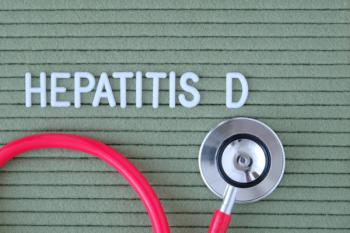
The monoclonal antibody, Brelovitug, met the combined virologic and ALT response end point at week 24 in AZURE-1, with 56% response on 300 mg weekly and 45% on 900 mg every four weeks. The manufacturer projects a potential US launch in the fourth quarter of 2027.

A new study in infants challenges the long-standing belief about the pathogen’s effects in the youngest pediatric population. Senior author Joseph Zackular, PhD, provides insights around his work including how it reshapes gut development and offers potential intervention strategies to shield neonates.

The 18-year old resident of the state suffered from acute disseminated encephalomyelitis. Pennsylvania numbers are surging with some of the highest state totals of measles cases in the country.

The death was reported in Jefferson County where the coroner released a statement announcing it was in an unvaccinated woman.
FDA approved updated 2026-2027 COVID-19 vaccines from Pfizer-BioNTech, Moderna, and Novavax's partners, all reformulated to target the XFG variant, giving clinicians several options ahead of the fall respiratory virus season.
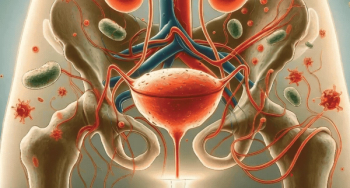
Recent urinary tract infection guideline updates from multiple international
medical societies highlight evolving recommendations, including a major shift
in classification, moving from anatomy- and risk factor–based definitions
toward distinguishing localized from systemic infections.
Advertisement
Advertisement
Trending on Contagion Live
1
Recent Guideline Updates in the Management of Urinary Tract Infections
2
Clinical Considerations for Measles: Presentation, Treatment, and Hospitalization
3
FAQ: Rising Rabies Exposure Calls PEP Decisions Back in Focus
4
Measles Update: October 2, 2026
5