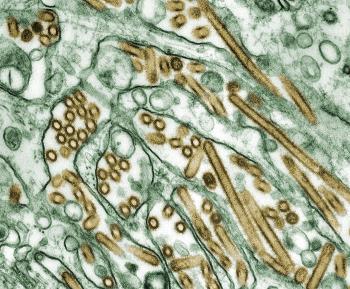
A Yakima County resident exposed to infected dairy cattle has died of avian influenza. A third human case has also been confirmed as H5N1 spreads to 33 herds in the county.
Stay on top of coronavirus developments from March 18, 2020.
There are now more than 210,000 cases of COVID-19 across the globe. Worldwide, more than 83,000 individuals have recovered from the novel coronavirus, and 8000 have died from the disease.
The highest number of cases remains in China with over 81,000 confirmed cases of the virus. Italy has seen the second highest surge of the virus with more than 35,000 cases. Over the span of 24 hours cases have increased by 4207, marking the largest jump in a single day.
In the United States cases have surpassed 7300. New York remains the hotspot of the US outbreak with a reported 2480 cases of COVID-19 with 16 linked deaths. Across the country in Washington State, there have been more than 1000 confirmed cases, with 55 associated deaths reported.
Let’s take a look at the latest developments in the COVID-19 pandemic from March 18th:
The US senate passed a coronavirus relief legislation this afternoon. This measure will now go to President Trump for approval. The legislation will "include provisions" for free COVID-19 testing along with paid emergency leave.
In a press briefing in Geneva, Tedros Adhanom Ghebreyesus, PhD, director-general of the World Health Organization,
“The SOLIDARITY trial provides simplified procedures to enable even hospitals that have been overloaded to participate,” Tedros said. “Many countries have already confirmed that they will join the SOLIDARITY trial - Argentina, Bahrain, Canada, France, Iran, Norway, South Africa, Spain, Switzerland and Thailand - and I trust many more will join.”
The WHO also announced that
Canadian Prime Minister Justin Trudeau
Be sure to check out new articles on Contagion® including a
A new episode of the
Contagion® News Network videos will return tomorrow, March 19th.
On March 25, 2020, at 6PM ET, Contagion® is hosting a live CME webinar on what clinicians need to know amid the COVID-19 pandemic. Register