Kasai Province last reported an Ebola outbreak in 2008. Current response priorities include enhanced digital surveillance, protection of frontline health workers, and targeted vaccination. Africa CDC emphasized early detection, effective case management, and coordination with national and international partners as essential to containing the outbreak.2
World Health Organization (WHO) Update (September 4–5, 2025)
What You Need To Know
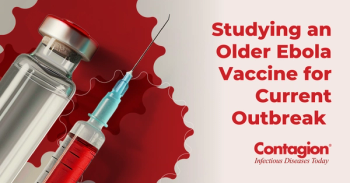
Health authorities launched Ervebo ring vaccination in Bulape targeting contacts and frontline workers after confirmation of Zaire ebolavirus, with 400 doses on site and more en route.
The ICG approved about 45,000 additional vaccine doses while partners support rollout planning, team training, data collection, and delivery of Mab114 to treatment centers.
WHO has deployed 48 specialists and rates risk as high nationally, moderate regionally, and low globally amid the DRC’s 16th Ebola outbreak and concurrent health system pressures.
On September 4, DRC health authorities formally declared the outbreak following confirmatory testing at the National Institute of Biomedical Research in Kinshasa. At that time, 28 suspected cases and 15 deaths had been reported across the Bulape and Mweka health zones, with a case fatality ratio of 54%.3
Patients presented with fever, vomiting, diarrhea, and hemorrhage. Genomic sequencing indicates a new spillover event rather than continuation of prior outbreaks. Approximately 80% of suspected cases are in individuals ≥15 years of age.3
WHO deployed experts in epidemiology, infection prevention and control, and case management as part of a rapid response. Crisis committees have been activated, patients isolated, and contact tracing initiated. WHO has delivered two tonnes of medical supplies, including PPE and mobile laboratory materials. The DRC has 2000 doses of the Ervebo vaccine in Kinshasa, which will be mobilized for ring vaccination of contacts and frontline workers.3
WHO has assessed the overall public health risk as high nationally, moderate regionally, and low globally.This is the DRC’s 16th Ebola outbreak since 1976 and the first confirmed outbreak in nearly three years. The most recent occurred in North Kivu in 2022, with a single fatal case. Kasai Province previously reported outbreaks in 2007 and 2008.4
The outbreak is occurring amid concurrent epidemics of mpox, cholera, and measles, alongside political and economic instability that strain response capacity. Ebola virus disease is a rare but often fatal illness transmitted through contact with infected animals and between humans via direct contact with blood, body fluids, or contaminated surfaces. The average case fatality ratio is approximately 50%.4
“Containing the outbreak will require rapid deployment of clinical care, surveillance, and vaccination measures in the affected health zones,” WHO stated. “Given the country’s concurrent epidemics and limited resources, international coordination and support will be critical to preventing wider spread.”3
References
1.Ebola vaccination begins in the Democratic Republic of the Congo. Septmebr 14, 2025. Accessed September 15, 2025. https://www.afro.who.int/countries/democratic-republic-of-congo/news/ebola-vaccination-begins-democratic-republic-congo