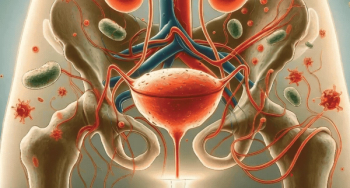
This study seeks to compare the effects of cranberry juice, cranberry tablets, and increased fluid intake in managing UTIs. With moderate to low certainty, the evidence supports the use of cranberry juice for UTI prevention. Although increased fluid intake reduces UTI rates compared to no treatment, cranberry juice offers superior clinical outcomes in reducing both UTI incidence and antibiotic use, making it a recommended option for managing UTIs.1
A total of 20 trials involving 3,091 participants were included. 18 studies showed that cranberry juice consumption was associated with a 54% reduction in UTI rates compared to no treatment and a 27% reduction compared to placebo. Additionally, cranberry juice led to a 49% lower rate of antibiotic use compared to placebo and a 59% lower rate compared to no treatment, according to a network meta-analysis of six studies.1
“The use of cranberry compounds also reduced the prevalence of symptoms associated with UTIs,” according to researchers. “While increased liquids benefit the rate of UTIs and reduce antibiotic use, and cranberry compounds benefit symptoms of infection, the combination of these, in cranberry juice, provides clear and significant clinical outcomes for the reduction in UTIs and antibiotic use.”1
Main Takeaways
- Cranberry juice reduces UTI rates and antibiotic use, with a 54% reduction in UTI incidence compared to no treatment and a 27% reduction compared to placebo.
- Cranberry juice provides better clinical outcomes for UTI prevention than increased fluid intake alone, reducing both UTI rates and antibiotic use more effectively.
- Cranberry supplements, especially cranberry juice, show broad-spectrum anti-adhesion activity against various uropathogenic E coli strains, while D-mannose is effective only against Type 1 adhesion.
PubMed, Embase, and Cochrane CENTRAL were searched for randomized controlled trials. The primary outcome was UTI incidence, with secondary outcomes including UTI symptoms and antibiotic use. Risk of bias was assessed with the Cochrane tool, and evidence certainty was evaluated using the GRADE system.1
Limitations included, the impact on antibiotic use was constrained by the limited number of available studies. Data aggregation proved challenging due to the wide variation in definitions of "recurrent UTIs," some studies considered any additional UTI as recurrent, while others required more than three UTIs over different time frames or needed positive bacterial culture confirmation.1
Comparative Efficacy of Cranberry vs D-Mannose
A Pubmed study verified the effectiveness of cranberry dietary supplements, anti-adhesion activity (AAA) against uropathogenic bacteria is assessed using in vitro bioassays for whole products and isolated compounds, as well as ex vivo bioassays to evaluate urinary activity after consumption. In vitro and ex vivo bioassays demonstrated that cranberry juice consistently offers more robust and reliable ex vivo urinary AAA compared to D-mannose over multiple study periods. 2
Amy Howell, PhD, retired research scientist at Rutgers Univeristy explains in an interview with Contagion how cranberry demonstrates broader effectiveness.