Switching to once-daily bictegravir/lenacapavir kept adverse event rates similar to comparators and metabolic markers stable across comorbidity groups in ARTISTRY-1 and -2.
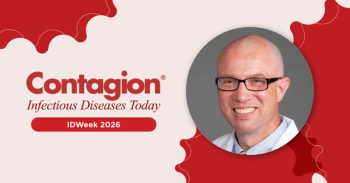
Karen B. Jacobson, MD, MPH, of Kaiser Permanente Northern California, presented data at IDWeek 2026 showing 58.2% of children younger than five years exposed to active hepatitis B in the home were exposed by someone other than their birth mother, a risk maternal screening alone would miss under the CDC’s revised birth dose recommendation.
According to the study authors, more than half of children younger than five years living with a person with active hepatitis B virus (HBV) infection were exposed through a household contact other than their birth mother. The retrospective cohort study from Kaiser Permanente Northern California (KPNC) was presented at IDWeek 2026, held October 21-24 in Washington, DC.¹ Some infants with non-maternal HBV-positive household contacts did not receive the hepatitis B vaccine at birth.¹
In December 2025, the CDC adopted an Advisory Committee on Immunization Practices recommendation for individual-based decision-making on the birth dose for infants born to mothers who test negative for HBV.² When the birth dose is deferred, the series should begin no earlier than two months of age. Infants of mothers who test positive or have unknown status should still receive the vaccine within 12 hours of birth.²
The study included KPNC members younger than five years on June 16, 2023, who were linked to their birth mother through the electronic medical record and shared a street address with at least one other KPNC member. Investigators extracted laboratory results and vaccinations through March 26, 2026, for children and through June 16, 2023, for household contacts. Active HBV was defined as a positive hepatitis B antigen or HBV DNA result with no subsequent positive surface antibody.¹
Of 158,169 children (51.3% male) living in 131,800 households, 1,689 households included a person with active HBV, and 2,024 children (1.3%) lived with at least one such person.¹ Among exposed children, 846 (41.8%) were birth-exposed, meaning the birth mother was an HBV-positive household contact. The remaining 1,178 (58.2%) were household-exposed through a contact other than the mother.¹
Non-maternal HBV-positive contacts were older than HBV-positive mothers, at 44 years (IQR, 19) vs 38 years (IQR, 6), and 76.5% were male.¹ Karen B. Jacobson, MD, MPH, an infectious disease physician and research scientist at the Vaccine Study Center at the Kaiser Permanente Division of Research, told Contagion these contacts are most likely fathers, grandparents, or other relatives sharing the home.
All birth-exposed children received the HBV vaccine within seven days of birth, compared with 93.5% of household-exposed children and 86.7% of unexposed children.¹ According to the investigators, infants without a birth dose remained at risk for HBV infection in the first months of life, before entering daycare or school.¹
Jacobson cited previous research in which roughly four in 10 household contacts of a person with HBV showed serologic evidence of prior or current infection. “The hepatitis B virus is very hardy; it survives in the environment for up to a week at a time,” she said. A single exposure through a wound or mucous membrane can therefore transmit infection.
Jacobson cautioned against relying on clinicians to screen entire households. “I don’t think clinicians can assess household risk or are in a position to assess the hepatitis B status of everyone in an infant’s given household,” she said. Close contacts outside the home, including childcare providers, would also go unaccounted for, she added.
Asking families about household HBV status has its own limits. “Half of people who have chronic hepatitis B do not know they are infected,” Jacobson said. “I think the birth dose is the safest way and the most feasible way to protect all babies.”
“The newly proposed guidelines…really focus on the maternal exposure part of it, and not the horizontal exposure,” Jacobson said, describing the gap as an oversight. About 640,000 US adults live with chronic hepatitis B, and 90% of infants infected early in life develop chronic infection, according to Kaiser Permanente.³