|Articles|March 2, 2016

Human Papillomavirus Vaccines Cause a Drop in Prevalence in Young Women

Author(s)Sarah Anwar

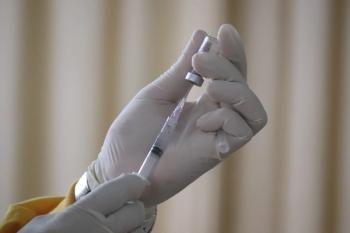
A recent study demonstrates the first evidence of the national impact of the HPV vaccine among females in their 20s.

A recent study demonstrates the first evidence of the national impact of the HPV vaccine among females in their 20s.

The comparative study, conducted by Centers for Disease Control and Prevention (CDC) researchers, examines the effectiveness of quadrivalent human papillomavirus (HPV) vaccines (4vHPV) in young women, prior to the release of the 9-valent vaccine (9vHPV) in 2014.

Data from the National Health and Nutrition Examination Survey (NHANES) were used to compare the prevalence of HPV in cervicovaginal specimens from girls 14 to 34 years of age (the age group in which most results are believed to be seen.) NHANES subjects are acquired from approximately 15 countries, which change yearly; however, between 1999 and 2006, NHANES oversampled the following subpopulations: Mexican-Americans, non-Hispanic whites, and adolescents between the ages of 12 and 19, among others, to ensure a sample representative of the US population. From 2009 to 2012 Hispanics were also oversampled, with Asians being oversampled in 2011. NHANES collected 12 months of sexual history data from participants ages 14 to 59 (of note, from 2003 to 2004 girls ages 14-17 were not asked about their history); in 2007 HPV vaccination history was also collected.

DNA was extracted from self-collected cervicovaginal samples and tested at the CDC to detect 37 HPV types as well as β-globin. Samples which tested negative for both were not used in the study. The study analyzed vaccination dosage between 2009 and 2012 as well as sexual behavior in the same years compared to the same data from 2003-2006.

“HPV type categories investigated include any of 37 HPV types, 4vHPV types (6, 11, 16, and 18), 4vHPV high-risk types (16 and 18), any non-4vHPV types, non-4vHPV high risk types (31, 33, 35, 39, 45, 51, 52, 56, 58, 59, 66, and 68), 3 high-risk types (31, 33, and 45) for which some cross-protection has been suggested; and the 5 additional high-risk types in 9vHPV (31, 33, 45, 52, and 58),” the study authors state.

A separate investigation further compared the lifetime sexual history of partners and race / ethnicity of active females aged 14 to 24 years from subjects in the 2003-2006 era to subjects in the 2009-2012 era. A Taylor series linearization was used to balance the multifaceted survey design.

For all women, whether sexually active or not, although there were no remarkable differences in HPV prevalence in women aged 14 to 19 years for types 31, 33 and 45, the study found that 4vHPV type prevalence dropped from 11.5% in the pre-vaccine era to 4.3% in the post-vaccine era. Prevalence of HPV types 16 and 18 dropped from 7.1% in the pre-vaccine era to 2.8% in the post-vaccine era.

In the age group of women aged 20 to 24 years, 4vHPV prevalence dropped from 18.5% to 12.1%, with prevalence of types 16 and 18 falling from 15.2% to 10.5%.

For the age groups of 25-29 years and 30-34 years, no significant changes were observed.

For sexually active female subjects who participated in the survey from 2009 to 2012, the prevalence of 4vHPV was 2.1% for vaccinated subjects, compared to 16.9% for unvaccinated subjects, which put vaccine effectiveness at 89%.

“Although rates of HPV vaccination have been increasing in the United States, coverage is still low; in 2013, a national survey found that 57% of 13- to 17-year-old females had received at least 1 dose and 38% had received 3 doses. Despite this moderate coverage, data from NHANES exhibited a 56% decrease in 4vHPV type prevalence among females aged 14 to 19 years in the first 4 years of the vaccine era (2007— 2010) compared with the pre-vaccine era,” the study authors concluded.


Related to this article

FAQ: Ebola Prevention, Treatment and the Chances of a US Outbreak
As the Bundibugyo virus outbreak in the Democratic Republic of the Congo surpasses 9300 confirmed cases and 4400 deaths, this FAQ explains how the virus spreads, how it presents, why it is hard to diagnose and treat, which vaccines and therapies are being tested, and why CDC considers the risk to the United States low.
NFID Survey Finds Respiratory Vaccine Gap Driven by Lack of Clarity, Not Hesitancy
The National Foundation for Infectious Diseases (NFID) recently held its respiratory season kick-off, which included the release of its annual respiratory disease survey. This year, the survey revealed the gap between vaccine support and uptake. Robert Hopkins Jr, MD, medical director of NFID delves deeper into the findings of the survey and the vaccine uptake challenges associated with certain immunizations.
Measles Update: October 9, 2026
The latest CDC numbers show a 5.0% increase of measles cases from week-to-week. The US total reached 4080 confirmed cases, 78% above all of 2025.
FAQ: What You Need to Know About Measles in 2026
With US measles cases nearing 3,900 this year and Pennsylvania reporting its fifth measles-related death, here is a review of how the virus spreads, how it is prevented and managed, and what severe disease looks like.