

News|Articles|April 25, 2026
Top Infectious Disease News Stories Week of April 19 - April 25
Author(s)Contagion Editorial Team
This week, read a clinician's insights on a new FDA-approved HIV therapy, the CDC cancels publication of a COVID-19 vaccine study, moving up hepatitis C cure timelines, and more.
Advertisement
Doravirine/Islatravir: Clinical Considerations for Newly Approved HIV Treatment
This week, the
The therapy is being positioned as a viable option alongside existing regimens. Its availability reflects a broader shift toward personalized HIV care, where treatment decisions are increasingly guided by individual patient preferences, comorbidities, and long-term medication burden.
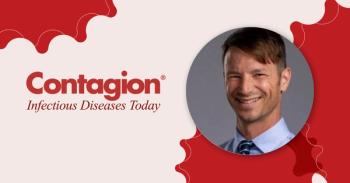
Contagion spoke with Amy Colson, MD, MPH, medical director of the Zinberg Clinic at Cambridge Health Alliance and research director at Community Resource Initiative, about the clinical trial, including it efficacy and safety profiles, as well as the potential patient candidates for the treatment.
Efforts to Revive Antibiotic Development With PASTEUR Act, Education, Awareness
In the US, more than 2.8 million antibiotic-resistant infections occur each year, resulting in more than 30,000 deaths. The estimated national cost to treat infections caused by just 6 drug-resistant pathogens is $4.6 billion,
Additionally, from a globally standpoint, antimicrobial resistance (AMR) contributes to nearly 5 million deaths annually, including directly killing 1.27 million people,
The growing threat of AMR is exposing shortfalls in the drug development system, according to
Rethinking Hepatitis C Cure Timelines: The Case for Earlier Confirmation
The question of when to confirm cure in
The study’s senior author, Meghan D. Morris, PhD, MPH, professor of Epidemiology and Biostatistics University of California, San Francisco, spoke with Contagion about their findings and what this means to clinicians and patients.
CDC Cancels Publication of Study Findings Showing COVID-19 Vaccine’s Efficacy
According to a report today in The Washington Post, Centers for Disease Control and Prevention (CDC) Acting Director Jay Bhattacharya, MD, cancelled the publication of a study on the efficacy of COVID-19 vaccines in the agency’s publication, Morbidity and Mortality Weekly Report (MMWR), back in March.1
The study results found that vaccination cut the likelihood of emergency visits due to COVID-19 by 50% and hospitalizations by 55%, according to a report in The New York Times.2 This is an unusual step to remove the potential publication of such a study, especially this far into the process, according to sources in the report. Bhattacharya also met with the study authors previously, and there was no discussion around changing the study.2
Contagion Survey: We Need Your Feedback
We have launched a new audience survey aimed at better understanding the needs, preferences, and challenges of our readership. The initiative reflects a growing recognition that meaningful engagement with health care professionals, researchers, and stakeholders is essential to delivering timely and valuable content.
By inviting readers to share their perspectives, Contagion is taking an important step toward ensuring its reporting aligns with the realities faced on the front lines of infectious disease. Feedback collected through the survey will help identify gaps in coverage, highlight emerging topics of interest, and refine how information is delivered to maximize impact.
Understanding an audience is particularly critical in a field as rapidly evolving as infectious diseases, where new data, treatments, and public health threats constantly reshape the landscape. Surveys provide a direct line of communication, allowing readers to voice what matters most to them, whether it is clinical insights, policy updates, or real-world case experiences.
To fill out the survey, interested participants can go
Advertisement
Related Content
Advertisement


Latest CME








































































































Advertisement
Advertisement
Trending on Contagion Live
1
REMAP-CAP and the Tamiflu “Pre-Release”: A Set-Up for Disaster
2
From Pathogen to Infectious Disease Diagnosis: Rapid Genotyping Could Bring Ciprofloxacin Back for Gonorrhea Cases
3
The Latest in Food: Updates on Outbreaks to Federal Policies Affecting Food Safety
4
2 Triples and a Dual Regimen Vie for First-Line Against H pylori
5