News|Articles|December 27, 2025

Top Infectious Disease News Stories Week of December 20 - December 26

This week, check out our Media Day coverage from Emory, the WHO report on malaria, and more.

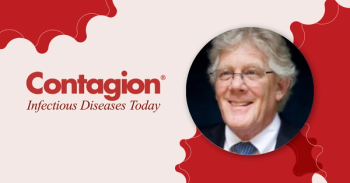
Emory Healthcare: Melding Critical Care, Infectious Diseases, and Disaster Preparedness Together

We are continuing our series, Media Day, where we spotlight individual medical institutions and their infectious disease (ID) programs. This episode profiles Emory Healthcare. When people think of Ebola or other diseases or viruses that are considered high-consequence infectious diseases (HCID) they often think of movie scenarios where clinicians are completely covered in personal protective equipment and wearing face masks with ventilators to keep themselves protected from airborne viruses, and it happening in countries outside the US. Emory Healthcare brought in patients with Ebola virus disease to treat at their facilities in 2014, becoming the first US hospital institution to do so. At a time when little was known about caring for these patients, the university's Serious Communicable Diseases Unit (SCDU) successfully treated these patients, and in turn, created protocols of care that are now the standard when caring for patients with deadly infections.1

Working in a Hot Zone: Building Trust With Local Communities, Addressing Gaps In Preparedness

A hot zone encompasses a geographical area where there are extremely contagious pathogens creating an outbreak of high-consequence infectious disease (HCID). For example, back in early September, a hot zone appeared in the Democratic Republic of Congo (DRC) when the country declared an Ebola outbreak in that country. In that outbreak, there were 64 people with confirmed or probable Ebola, and 45 deaths, as of November 5, 2025. On December 1, DRC declared the end of the outbreak. However, it took 3 months of work to get the outbreak contained utilizing personnel and treatment resources. Gavin Harris, MD, associate medical director, Serious Communicable Diseases Program (SCDP), Emory University, has been in these hot zones and he says there is much more complexity in navigating these environments.

Once-Weekly Oral Islatravir Plus Lenacapavir Maintains HIV Suppression Through 48 Weeks

Once-weekly oral islatravir (ISL) 2 mg plus lenacapavir (LEN) 300 mg maintained high rates of virologic suppression through 48 weeks in adults with HIV-1 who were already suppressed on daily bictegravir/emtricitabine/tenofovir alafenamide (B/F/TAF), according to a phase 2, randomized, open-label, active-controlled study conducted across 44 US sites. The findings point to a potential oral, longer-interval treatment option that may help address adherence challenges associated with daily antiretroviral therapy, such as pill fatigue and treatment fatigue. Confirmation of efficacy and safety in larger, more diverse populations is ongoing in phase 3 trials.

WHO Finds Progress in Malaria Prevention Measures

The WHO 2025 World Malaria Report marks progress in preventing malaria globally with expansion of programs that include new-generation nets, malaria vaccine, and seasonal as well as perennial chemoprevention, while warning that progress is threatened by recent reduction in funding.1 "There has also been notable progress in providing timely diagnosis and treatment for young children," the report notes."However, coverage of insecticide-treated nets (ITNs) and intermittent preventive treatment of malaria in pregnancy (IPTp) continues to lag, underscoring areas needing further action."

From Awareness to Prevention: Addressing the Infection–Mental Illness–Violence Continuum

Over the course of this multi-part series published this year, psychiatrist Robert C Bransfield, MD, has examined the intersection of infectious disease, immune dysregulation, and neuropsychiatric illness through the lens of his decades-long clinical experience treating patients with complex, treatment-resistant psychiatric symptoms. With a longstanding focus on the immune–brain interface, Bransfield has described recurring clinical patterns in which prior infectious exposures, particularly vector-borne and zoonotic infections, appear to precede persistent changes in cognition, mood, and behavior.

Newsletter

Stay ahead of emerging infectious disease threats with expert insights and breaking research. Subscribe now to get updates delivered straight to your inbox.


Latest CME