News|Articles|January 24, 2026

Top Infectious Disease News Stories Week of January 17 - January 23

This week, read about the CDC's analysis on the continuing burden of COVID-19 on a certain population, watch an Emory nurse provide an overview of donning and doffing personal protective equipment when caring for patients with high-consequence infectious disease, a review of diagnostics and treatments for invasive candidiasis, and more.

CDC Calculates Continuing Burden from COVID-19 Illnesses

The burden of COVID-19 persists despite the declared pandemic public health emergency having expired May 2023, with the Centers for Disease Control and Prevention (CDC) reporting1 that the elderly continue to experience disproportionately greater number of illnesses, medical visits, hospitalizations and deaths. "Continued analyses of the burden of COVID-19...are important for monitoring hospitalizations and deaths in age groups at highest risk as well as the impact of illnesses in the general population to inform public health policy and response, assess health care needs, and guide vaccine and therapeutic developments," state the report lead author Emilia Koumans, MD, Coronavirus and Other Respiratory Viruses Division, National Center for Immunization and Respiratory Diseases, CDC, and colleagues.

Invasive Candidiasis in 2026: Harmonizing Global and US Guidance in an Era of Diagnostic and Stewardship Complexity

Contemporary management of invasive candidiasis (IC) continues to evolve as new diagnostics, antifungal agents, and stewardship priorities reshape the landscape across intensive care, surgical, and infectious diseases practice. Synthesizing guidance from the 2025 multidisciplinary review, the 2024 American Thoracic Society guideline, the 2016 Infectious Diseases Society of America recommendations, and the 2025 ECMM/ISHAM/ASM global guideline, this article highlights the most substantive developments in diagnostic strategy, empiric therapy, treatment selection, and ophthalmologic evaluation. These shifts reflect a broader move toward diagnostic precision, restrained empiric therapy, and globally harmonized stewardship practices, reinforced by influential analyses such as the 2021 Clinical Infectious Diseases β-D-glucan review and the 2023 New England Journal of Medicine ophthalmology overview.1

COVID-19 and the Toll it Took on Laboratory Professionals

This is part of our ongoing From Pathogen to Infectious Disease Diagnosis podcast, where we discuss the relationship between clinicians and laboratory professionals. As with other medical specialties, the COVID-19 pandemic took a toll on laboratory professionals. They also had to work long hours, adapt to new COVID-19 tests, and deal with staffing shortages, which all led to the point of feeling burnt out and some retiring or leaving the field altogether.1-2 During the initial phase of the pandemic, Jenelle Vargas Musick, DCLS, MPH, MLS(ASCP)CM, was on maternity leave, but when she came back to work as a supervisor of a blood bank, she recalled the sheer amount of tests coming in for COVID, providers calling down for results constantly and this happening behind a backdrop of an already strained laboratory environment and people dealing with their own personal issues at home around COVID. Along with having a newborn baby, Musick also had 4 kids in school virtually during the pandemic.

US Leaves World Health Organization

2 high ranking members within the Trump Administration formally announced the United States withdrew from the World Health Organization (WHO), abiding by the President’s Executive Order.1 According to a joint statement from Secretary of State Marco Rubio and Secretary of Health and Human Services Robert F Kennedy, they said Trump’s decision reflects a judgment that the WHO failed the American people during the COVID-19 pandemic, particularly by mishandling critical information and prioritizing politics over public health. The statement said that during the pandemic, these dynamics allegedly obstructed the timely and transparent sharing of information that could have saved American lives. 1 Going forward, US engagement with the WHO will be limited strictly to completing the withdrawal. All US funding and staffing of WHO initiatives has ceased.1

Donning and Doffing PPE for High-Consequence Infectious Disease Treatment

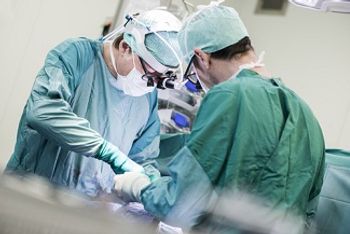
We are continuing our new series, Media Day, where we spotlight individual medical institutions and their infectious disease (ID) programs. This episode profiles Emory Healthcare. Jill Morgan, RN, BSN, site manager, SCDU, Emory University Hospital, works in their Serious Communicable Diseases Unit (SCDU), which was the first healthcare institution in the US to treat patients with Ebola. She provided an overview of donning (putting on PPE) and doffing (taking off) PPE when caring for patients with high-consequence infectious disease. Here is an edited transcript of her explanation.

Newsletter

Stay ahead of emerging infectious disease threats with expert insights and breaking research. Subscribe now to get updates delivered straight to your inbox.


Latest CME