During the discussion, Nelson explained that clinicians are already making treatment decisions based on how antibiotics behave in different parts of the body but that urine-specific breakpoints help formalize that process for urinary tract infections.
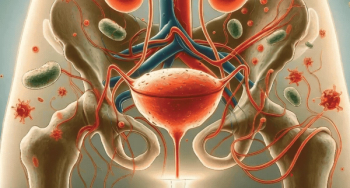
“The urine breakpoints actually put a little bit of a spotlight on the fact that the drug levels in different compartments of the body actually probably matter more than the traditional blood levels that we’re routinely getting,” Nelson said.
He noted that antibiotic concentrations in urine are often significantly higher than levels measured elsewhere in the body, which can affect how susceptibility results should be interpreted for urinary pathogens: “The concentrations of drug in the urine are different than they are in the rest of the body, and oftentimes, the drug levels in the urine are actually higher than in the other areas of the body.”
Nelson explained that with different teams working in institutions to assess test results and involved with clinical care, it is important for those outside the infectious disease specialty to help interpret the results in clinical practice.
“Our microbiology colleagues are the ones, of course, doing the work on the susceptibility testing, and they're responsible for getting those results into the electronic medical record. That may be a different workflow for them than they're currently doing, and so making sure that they're involved is definitely important,” Nelson said. “I would say from a clinical aspect, it's really challenging to make sure that the clinicians know what this means, so for us in ID [infectious diseases], it's more of, again, something that we're routinely doing already and assessing for each patient, but for clinicians who are not ID specialists, it's a new concept for them in most cases, where they often will just look at that report and see the ‘S’ for susceptible or the ‘R’ for resistant and make that choice based on thinking that's sort of this absolute truth. And so I think educating the clinicians and even our pharmacist colleagues who maybe are not ID specialists is a very important clinical aspect of this as well.”