|Videos|June 13, 2017

Why is Antimicrobial Susceptibility Testing a Key Player in Stewardship Programs?

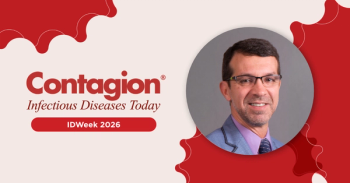
James S. Lewis, PharmD, FIDSA, explains why antimicrobial susceptibility testing is so important when it comes to stewardship programs.

James S. Lewis, PharmD, FIDSA, Co-Director of Antibiotic Stewardship, Oregon Health and Science University, explains why antimicrobial susceptibility testing is so important when it comes to stewardship programs.

Interview Transcript (slightly modified for readability)

“Antimicrobial susceptibility testing is really key to any antibacterial stewardship program because without those results, one of the key components of stewardship, which is de-escalation, is largely impossible.

The other tenant of antibiotic stewardship that really is absolutely critical with regards to antimicrobial susceptibility testing, is that you have to make sure that patients have the appropriate therapy in a timely manner. Without those susceptibility results, you’re in basically a limbo, where you’re never sure whether or not the therapy is appropriate, and so, really susceptibility testing drives the vast majority of what it is that we do in a day-in, day-out basis with regards to stewardship.”

​DISCLOSURES: Jim Lewis is a consultant for Accelerate Diagnostics, The Medicines Company, Merck and Achaogen.



Related to this article

Household Contacts Drive Most Hepatitis B Exposures in Young Children
Karen B. Jacobson, MD, MPH, of Kaiser Permanente Northern California, presented data at IDWeek 2026 showing 58.2% of children younger than five years exposed to active hepatitis B in the home were exposed by someone other than their birth mother, a risk maternal screening alone would miss under the CDC’s revised birth dose recommendation.
Inhaled Amikacin Shows Low Resistance Rates in MAC Lung Disease in ENCORE
In the phase 3b ENCORE trial, adding amikacin liposome inhalation suspension (ALIS) to azithromycin and ethambutol significantly improved culture conversion in newly diagnosed MAC lung disease, while treatment-emergent amikacin (2.2%) and macrolide (1.1%) resistance stayed rare. Kevin Winthrop, MD, provides insights around the study.