

Health care providers are advised to consider a diagnosis of cyclosporiasis in patients with prolonged or remitting-relapsing diarrheal illness.
Health care providers are advised to consider a diagnosis of cyclosporiasis in patients with prolonged or remitting-relapsing diarrheal illness.
Hanneke Schuitemaker, PhD, explains what makes Janssen’s new HIV-1 vaccine regimen unique.
Milena McLaughlin, PharmD, MSc, explains ways to remain vigilant when it comes to drug shortages.

New HIV drugs, vaccine regulations in France, correlations between intestinal viruses & type 1 diabetes, the susceptibility of Florida mosquitoes to transmit chikungunya, and an evaluation of the risk of hepatitis B reactivation in veterans on direct-acting antiviral therapy make up our Top 5 articles for the week of July 30, 2017.
Elizabeth Phillips, MD, FRCPC, FRACP, addresses the misconceptions about penicillin allergies.

Meghan Jeffres, PharmD, discusses the utility of penicillin skin testing for patients labeled as penicillin allergic.
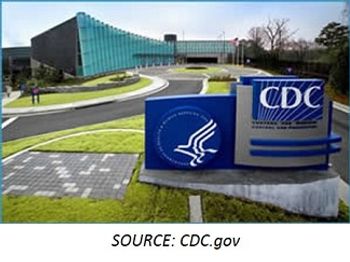
The Centers for Disease Control and Prevention (CDC) is providing local agencies with a boost—in the form of $200 million—to improve surveillance, laboratory diagnostic capabilities, and outbreak response.
Alex Rinehart, PhD, Director, Global Prevention Strategy, ViiV Healthcare, explains what makes cabotegravir a unique medication for HIV.
Kenneth Mayer, MD, explains why primary care providers need to have a good sense of their patients in order to help them decide if PrEP is right for them.

The relationship between temperature and incidence of surgical site infections, progress towards an HIV vaccine, the cleanliness of your stethoscope, an explanation on how infection rates at Stanford Hospital are a canary in a coal mine, and an interactive visual map that depicts the HIV epidemic in the United States, make up the Top 5 news articles for the month of July 2017.

The CDC has updated interim guidance for healthcare providers who are caring for pregnant women with potential exposure to Zika virus.

Introducing HIV screening in primary care offices has the potential to save lives and decrease the costs associated with treatment by increasing rates of early diagnosis.
Benjamin Young, MD, PhD, discusses the four partners behind the Fast-Track Cities Initiative.
Contagion® covered the 9th International AIDS Conference on HIV Science this week and much of the research presented at the conference made this week’s Top 5. Topics include: the successful use of oral Truvada in adolescents, a new long-acting two-drug injectable HIV regimen, and a closer look at humanized monoclonal antibody PRO 140 for HIV treatment. Additional Top 5 articles include coverage from the Biodefense World Summit, and lack of infant immunizations across the world.
Snigdha Vallabhaneni, MD, MPH, shares actions patients and their visitors can take to protect themselves from Candida auris.
Pedro Cahn, MD, explains the new formulation of raltegravir HD.
Kathleen Squires, MD, explains how HIV treatment has changed since the 1980s.
Lynne Mofenson, MD, shares an update on the health burden of mother-to-child transmission (MTCT) of HIV.
Jake Glaser discusses how generating interest for the response to HIV and AIDS has changed since the 1990s.

Peter Williams, PhD, discusses the LATTE-2 trial for HIV treatment.
Magda Opsomer, MD, explains why darunavir may be more beneficial than other HIV medications.
Ariane van der Straten, PhD, MPH, explains the different attributes of administering pre-exposure prophylaxis via a HIV biomedical implant.
Leah Johnson, PhD, discusses the biomedical HIV prevention implant that is being developed by RTI International.
Kenneth Mayer, MD, explains why tenofovir alafenamide may be the future of pre-exposure prophylaxis.

WHO and IAS come together to create the first-ever global research prioritization agendas at the 9th IAS Conference on HIV Science in Paris, France.
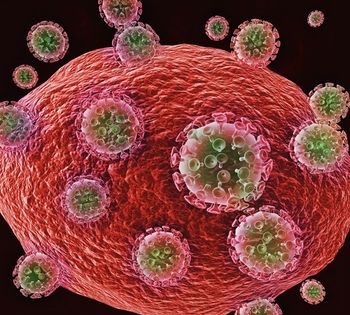
The results of a phase 2 trial for a 2-drug regimen of long-acting cabotegravir and rilpivirine and a 3-drug regimen in patient with HIV showed comparable viral suppression rates at 96 weeks.
Arjun Srinivasan, MD, stresses the importance of surgical teams speaking up if they have safety concerns regarding procedure in operating rooms.
Jason Pogue, PharmD, BCPS-ID, explains his team’s study regarding the susceptibility of Pseudomonas isolates to ceftolozane/tazobactam.
Milena McLaughlin, PharmD, MSc, explains the best way to determine an alternative agent during a drug shortage.