

































































































































A look at how the state became a belated hotspot, and what may help reduce future infection growth.
A look at how the state became a belated hotspot, and what may help reduce future infection growth.
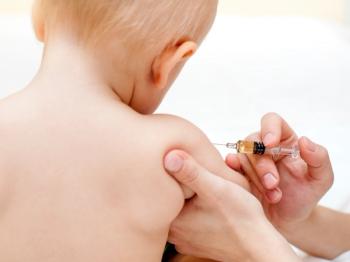
A group of scientists hypothesize these shots could protect young children from the novel virus.

A European study shows a small amount of hospitalized children and adolescents with COVID-19 require intensive care and is rarely fatal.
A brief on today's top ID news.
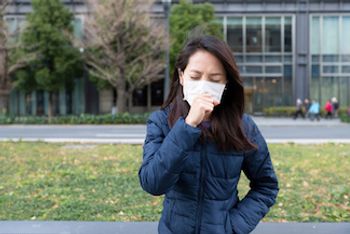
The Hong Kong researchers used online searches to quantify public interest in mask usage.
The finger-prick test showed 98.8% specificity for novel coronavirus in assessments including 1500 patients.

Analysis suggests approach may be particularly useful when testing resources are limited.

Where did things go wrong for the Grand Canyon State?
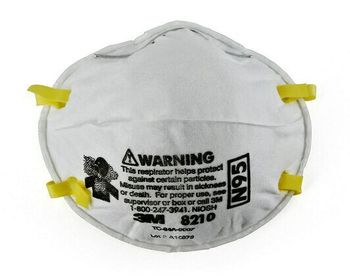
A high proportion of N95 masks failed to fit properly with the extended use and reuse recommended by the CDC for conserving PPE during the shortage.
Video briefing on the day's top infectious disease news.

Given research into SARS-CoV-2 is taking place at unprecedented speed, the panel of IDSA experts had to decide on current best practices using science which is still in motion.

In a small randomized trial, Greek investigators found patients had improved time to clinical deterioration versus a control group.

Patrick Soon-Shiong, MD, Chairman and CEO of ImmunityBio, explains why the firm's COVID-19 research benefits from drawing on a background in cancer.

A recent review of electronic health data revealed a 42% drop in emergency department visits during 4 weeks of the pandemic.
An overview of today's top infectious disease stories.

Patrick Soon-Shiong, MD, CEO of ImmunityBio, discusses the pandemic as a unique moment in world & American history.
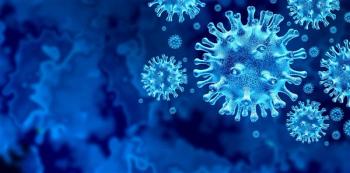
In order to expand the potential uses of the drug against SARS-CoV-2, Gilead Sciences has announced plans to explore administration of remdesivir in an inhaled form.
Thomas File, Jr. MD, MSc, FIDSA, president of the Infectious Diseases Society of America, weighs in on COVID vaccine development, fears of a second wave, and treatment candidates.
A video summary of the latest infectious disease headlines.

With the current COVID-19 outbreak, new data about Influenza mortality related to spectator sports should make the professional leagues and fans pause about attending games.

Compared to 2019, out-of-hospitalization cardiac arrest resuscitations saw a dramatic increase as well as differences in the types of patients experiencing these episodes.

Findings reveal that most unhealthy seniors and/or their families opt for comfort-directed care rather than life-sustaining treatment.
A June 19, 2020 recap of the biggest headlines in pandemic research and response.

A telephone survey confirms people are dealing with these issues and suggests it may be an early bellwether to providers and patients alike.
Steven Woloshin, MD, MS, discusses a recently authored article in the New England Journal of Medicine describing the challenges and implications of false negative tests for SARS-CoV-2 infection.