


Respiratory Infections
Latest News
Advertisement
Latest Videos


















































































































































Advertisement
More News

Tina Tan, MD, FIDSA, FPIDS, FAAP, Infectious Diseases Society of America (IDSA) president discusses the changes and offers a glimpse of what the US can expect in terms of limited access to new vaccines, increased incidence rates of disease, and new public health policy regarding immunizations.

Jeff Freiberg, MD, PhD, on the rising emerging infection concerns of dengue, mpox, measles, and H5N1 influenza in clinical practice.
Two cats became severely ill, and both owners declined to be tested.

Andrew Engeli explains Ginkgo's role in the €24 million EU-Funded RANGER project for emerging infectious disease surveillance and response.

A state official says the woman is hospitalized in another state, and had preexisting health conditions that can make people more vulnerable to illness.

In the Phase 3 trial, GSK's vaccine met all 11 primary endpoints, providing expanded options for preventing invasive meningococcal disease in individuals aged 10-25 years.
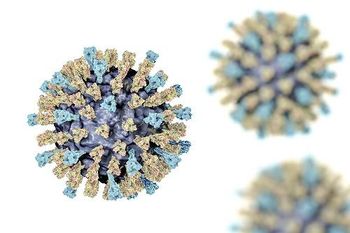
Twenty-four cases have been identified within the last two weeks, and 22 of those cases are in children. Nine of the cases have required hospitalization.

Heather Platt, MD, discusses Merck’s latest achievement with Capvaxive and its potential to significantly reduce invasive pneumococcal disease and pneumonia in high-risk adult populations across Europe.
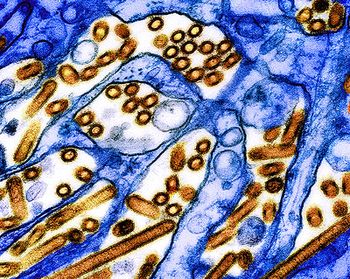
The affected person had a mild case and is recovering.

The Centers for Disease Control and Prevention (CDC) is preparing for staff cuts and the Trump Administration may be withholding public health information in one of the agency's publications, which can impact disclosing health information being seen by providers and other stakeholders.
The association’s Executive Director Georges Benjamin, MD, offers some commentary as to why they have concerns around him as Health and Human Services Secretary.

COVID-19 Accelerates Progression of Atherosclerotic Plaque, Increases Risk for Cardiovascular Events
SARS-CoV-2 infection was associated with rapid growth of plaque in the coronary arteries and an increased risk of cardiovascular events compared to noninfected patients.

Robert Allen, MD, on variant monitoring, antibody development, and the company's long-term approach to patient care.
Robert Allen, PhD, discusses how Pemgarda’s stability in targeting the spike protein's receptor-binding domain offers crucial protection, including immunocompromised individuals.

Biocontainment, including the most recent threat of highly pathogenic avian influenza, demands we continue to finance research, and continue cooperation with important organizations like the WHO.

The outbreak is currently concentrated in 2 counties in the state, Wyandotte and Johnson.

The COVID-19 pandemic underscored the urgent need for global pandemic preparedness. The World Health Organization (WHO) is leading efforts to establish a global treaty to address future pandemics, with findings expected in 2025. Central to this preparedness is immunomics, a field leveraging advanced genomics technologies to study the immune system at unprecedented levels of detail.

The federal government is working on measures to mitigate the potential impact including looking at vaccines, therapies, and other strategies. Robert Hopkins, Jr, MD, medical director, National Foundation for Infectious Diseases (NFID), provides some insights on our preparation now and lessons learned from the pandemic.

Review finds Long COVID patients experience executive function impairments impacting tasks like shifting, inhibition, and working memory, affecting daily activities.
Robert H. Hopkins, Jr, MD, medical director, National Foundation for Infectious Diseases (NFID) provides an update on incidence rates and virus patterns across different regions of the US.
The federal agency is asking hospitalists and labs to accelerate this process in order to know if they are dealing with avian influenza.

The Phase 1 clinical trial for ARCT-2304, a self-amplifying mRNA vaccine, seeks to address pandemic influenza risk as H5N1 cases increase.
Study questions whether reducing antibiotic treatment duration for pneumococcal bacteremia still ensures effective outcomes and minimizes risks.

Findings from a recent phase 3 trial show promising results for the approval of ziresovir in the treatment of respiratory syncytial virus in infants.

A survey of this population showed that over a 2 and ½ year period, there was a decrease in post-acute sequelae of SARS-CoV-2 infection (PASC). However, 1% of respondents said they are still dealing with restrictions in their lives.
Advertisement
Advertisement