




Respiratory Infections
Latest News
Advertisement
Latest Videos
































































































































Advertisement
More News

Medication errors and patient falls in COVID-19-positive and non-COVID-19 patients highlight the impact of hospital workload on patient safety.
Alveo Technologies announced it entered into an agreement with the Centers for Disease Control and Prevention (CDC) to create a test to help in offering this capability in case there is a need for widespread diagnostics.

Chad Costley, MD, MPH, discussed the platform's ability to respond to emerging respiratory diseases and the challenges in advancing mucosal vaccine development for health preparedness.

Read more about the case of a 71-year-old man who was admitted after presenting with cold-like symptoms for 3 weeks.
Chad Costley, MD, MBA, provided an update on BlueWillow Biologics' NanoVax intranasal vaccine for H5N1, with Phase 1 trial data showing broad immune responses and no serious adverse events.

New therapeutics offer some hope in this emerging market.
Despite advances in understanding and treating Long COVID, many questions about its mechanisms, susceptibility, and varied recovery patterns remain unresolved, underscoring the need for continued research.
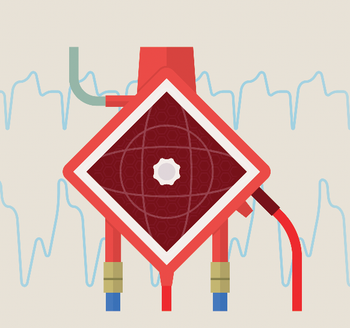
There has been an emergence of extracorporeal membrane oxygenation-associated infections. Here is a review of how to define them and clinical management of this heterogeneous syndrome.

New approach targets multiple strains, promising broad protection against human, avian, and swine influenza viruses.
Clinicians discussed the complexities of diagnosing Long COVID, emphasizing the need for improved biomarkers and diagnostic technologies to better serve affected patients.

The CANOPY Phase 3 clinical trial demonstrated a reduced risk of symptomatic COVID-19, including a 64% reduction during the off-drug follow-up period.

Shionogi’s ensitrelvir demonstrated reduction of symptoms in phase 3 trial.

Veterinary and public health officials share the important roles of surveillance and prevention strategies, insights on the virus's transmission pathways, historical context, the One Health approach, and highlights effective precautionary measures to mitigate H5N1 risks.
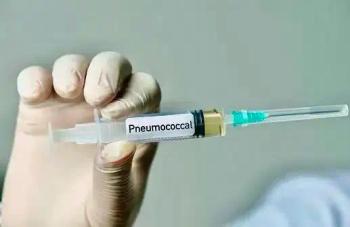
Reducing the age for pneumococcal vaccination allows more adults to safeguard themselves against pneumococcal disease during a period when their risk of infection significantly rises.
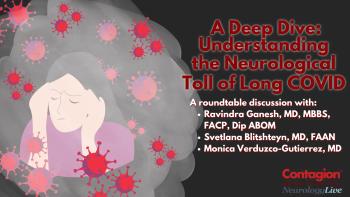
Without a specific tailored Long COVID therapy, individualized treatment based on patient phenotypes, along with extensive evaluations, is essential for effective symptom management.

David Richards emphasized the therapy’s potential to enhance antibiotic effectiveness by targeting bacterial biofilms, a significant challenge in treatment.
FDA Approves Pfizer’s RSV Vaccine for Expanded Population of Adults Aged 18 to 59 Years
Published: | Updated:
This new indication for the bivalent respiratory syncytial virus prefusion F vaccine (Abrysvo) makes it the broadest currently available.
Important vaccine updates, including a second COVID-19 vaccine dose for adults 65 and older and immunocompromised individuals, a pneumococcal vaccine for adults aged 50 and older, and more.

Anushua Sinha, MD, discussed the findings, highlighting a 60.4% reduction in medically attended lower respiratory infections and significant decreases in RSV-related hospitalizations.

Invivyd’s Chief Scientific Officer Robert Allen, PhD, discusses the company’s pemivibart (Pemgarda) including its administration, how it can be used in concert with vaccines, and how it protects against newer variants.

The individuals are agricultural workers in Washington state who were in close proximity to and working with infected poultry at an egg farm.

Study results show that the vaccine elicits a comparable immune response in high-risk adults aged 18-59 with chronic medical conditions, suggesting potential for broader vaccination efforts.

With the approval of newer products, clinicians have tools to prevent the respiratory virus in the most vulnerable population. Helen Chu, MD, MPH, offers some insights on their efficacy and the nuances of the delivery of the 2 immunizations.
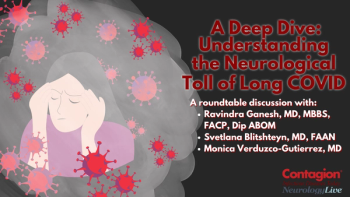
In our latest roundtable series, experts highlighted research showing that even mild COVID can result in cognitive impairment including brain fog and IQ decline.

At ID Week 2024, an investigator, Amanda M. Casto, MD, PhD, discusses her work on the CASCADIA study, which examined infection rates in this setting, and how it challenged assumptions that there is likely a singular carrier bringing viruses into homes.
Advertisement
Advertisement