





Respiratory Infections
Latest News
Advertisement
Latest Videos

















































































Advertisement
More News

Part 2 with James F Cummings, MD, as he discusses the need for a stronger response to emerging variants, the importance of protecting high-risk populations, and the potential to reduce vaccine hesitancy through easier administration.

Part 1 of James F Cummings, MD interview, discusses the trial's goals and highlights the vaccine's potential to generate mucosal immunity, its logistical advantages and ease of administration.

In part 1 of a 2-part story, an investigator discusses the use of procalcitonin and C-reactive protein guided protocols for community-acquired pneumonia (CAP).

Enanta Pharmaceuticals says its investigational therapy, EDP-323, was found to be safe and efficacious against the respiratory virus.
The Centers for Disease Control and Prevention (CDC) says a return to normalcy and vaccination protection waning are likely causes.

The CDC recommends vaccination for pregnant individuals and the administration of the RSV antibody nirsevimab to infants under eight months.

Study finds this population saw a 45% reduction of ongoing symptoms in those with COVID-19 weeks later and who had received subsequent doses of the original monovalent vaccine.
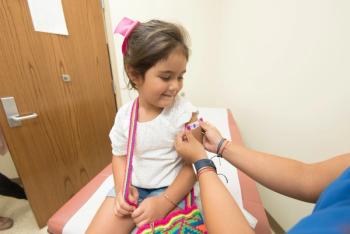
An English modeling study suggests level of protection decreases only very slightly over time and reminds parents to have their children up to date on all vaccinations.
The findings are from a National Foundation for Infectious Diseases (NFID) survey showing many Americans are not thinking about flu, COVID-19, RSV, or pneumococcal disease, and many respondents do not plan to get vaccinated this fall.

New research highlights a complex relationship between COVID-19 and cognitive function, suggesting that even mild infections can lead to subtle memory and attention deficits lasting at least a year.

The study estimates that vaccination efforts may have averted between 610,000 and 2.61 million deaths during the first 18 months of the rollout.

The federal agency gave the nod to FluMist nasal spray to allows individuals to administer the vaccine themselves and as a caregivers to others.
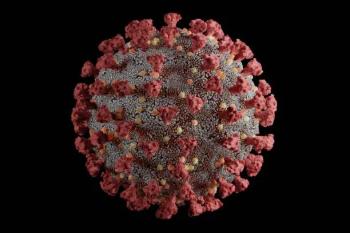
Initially authorized based on promising trial data, recent analyses raise questions about the effectiveness of nirmatrelvir/ritonavir and molnupiravir against new viral variants, particularly regarding mortality and hospitalization rates.
A large study shows a moderate benefit to taking the antimalarial therapy.
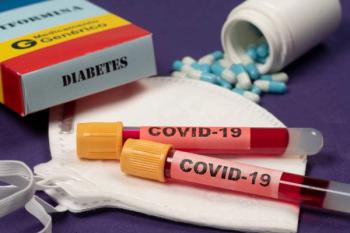
Adults with type 2 diabetes who use metformin have a 13% to 21% reduced risk of developing Long COVID or dying from COVID-19 compared to those taking other diabetes medications.
The CSL and Arcturus Therapeutics’ vaccine, ARCT-154 (Kostaive), is designed to offer protection against the JN1 strain.

The International Society for Infectious Diseases (ISID) ProMED surveillance system is a way for clinicians and interested ID stakeholders to be aware of local outbreaks and follow-up in response to get more information on them.
The organization's designation for the Bavarian Nordic’s MVA-BN (Jynneos) mpox vaccine is aimed at helping with the public health response, especially in Africa, where incidences rates continue to increase.

Ami Patel, PhD, provides insights on both technologies and how her research center, the Wistar Institute, is involved in DNA vaccine and monoclonal antibody research.

Females are more frequently affected by Long COVID than males, highlighting distinct immunological processes and hormonal variations.
Recent data and conversations with experts highlighted the increasing concern of Long COVID’s impact on the brain in patients who have been previously infected with the virus.

Internal tremors are a newly recognized and troubling symptom of Long COVID, experienced by over one-third of participants in a Yale-based study

First case this year without a documented occupational exposure to infected animals.

The Phase 1/2 study of VAX-31 demonstrated that the vaccine was well tolerated and elicited strong opsonophagocytic activity immune responses across all 31 evaluated serotypes.

Transmission to humans is limited in the US, but concerns linger, especially in the wake of the COVID-19 pandemic.
Advertisement
Advertisement
Trending on Contagion Live
1
FDA Approves Bacfenssi to Reduce Colorectal Surgical Site Infections
2
Phase 2 Data Strengthen the Case for Omadacycline in M abscessus Pulmonary Disease
3
Prehospital Ceftriaxone Fails to Cut Sepsis Mortality in PITSTOP trial
4
Ebola Outbreak Climbs to 11,645 Cases as Deaths Near 5700
5