























































































































































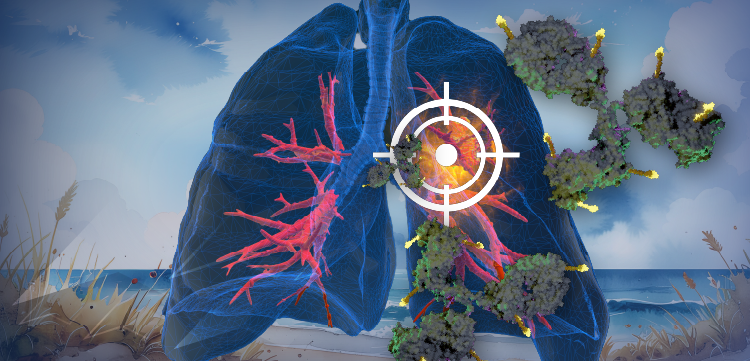




























A recent study details a case of a man with a confirmed Zika virus infection accompanied by papular descending eruption, petechiae on his palate, and hyperemic sclerae.
A recent study details a case of a man with a confirmed Zika virus infection accompanied by papular descending eruption, petechiae on his palate, and hyperemic sclerae.

Bartonella henselae, the bacterium that causes Cat-Scratch Disease, is carried in the claws and mouth of infected cats and spreads through bites, scratches, or licks to an open wound.

Mumps outbreaks have recently been reported within the school systems of three states: Arkansas, Oklahoma, and New York.

Additional study findings indicated that patients with AD had a significantly higher risk for S. aureus colonization of lesional skin as compared with those without AD.

A new study conducted by Andreas Peschel, PhD, and colleagues at the University of Tuebingen in Germany, has shown that lugdunin, a bacteria naturally produced by the human body, can be used as an antibiotic that can eliminate Methicillin-Resistant Staphylococcus aureus (MRSA).

The number of confirmed cases in the outbreak has been attributed to the reluctance of some to be vaccinated.

Jeff Boyd, PhD, assistant professor of Biochemistry and Microbiology at Rutgers school of Environmental and Biological Sciences, explains how Staphylococcus aureus and other microbes become antibiotic-resistant.

Jeff Boyd, PhD, assistant professor of Biochemistry and Microbiology at Rutgers School of Environmental and Biological Sciences, explains the difference between Staphylococcus aureus and Methicillin-resistant Staphylococcus aureus.

A recent report describing the development of “flesh-eating bacteria” in a Louisiana woman has the public concerned. The infection developed after the woman injured her foot, resulting in bleeding, while surf fishing in the Gulf of Mexico earlier this May.

Although virtually eradicated in some parts of the developed world, spinal meningitis remains a significant healthcare challenge in the so-called “African meningitis belt,” a region of 26 countries that stretches from Senegal to Ethiopia.
Zoonotic diseases caused by viruses, bacteria, parasites, and fungi that are spread between animals and humans are quite common and scientists estimate that more than 60% of human infectious diseases are spread from animals.

A new study reveals that diabetics may be at an increased risk of contracting Staphylococcus aureus blood infections, due to lower immunity.

A new study in BMC Public Health finds that neglect of skin wounds is an independent and strong risk factor for becoming a carrier of Staphylococcus aureus (S. aureus), a dangerous pathogen that can cause infections and lead to life-threatening infectious diseases.
Albert Einstein College of Medicine researchers have developed a new vaccine type that shows promise to possibly become the first ever for preventing genital herpes.
A survey of 571 US hospitals regarding practices used to prevent Clostridium difficile infection indicates that nearly half of the facilities appear to not be taking steps to prevent the infection that kills nearly 30,000 people and sickens hundreds of thousands more each year, despite strong evidence that these steps work.
Reports of measles cases in a suburban Illinois infant care center have added to concerns the preventable but highly contagious illness is spreading.