

A new study being presented at MAD-ID looked at this class of therapies vs oral penicillins and found the former to be non-inferior to the latter.
A new study being presented at MAD-ID looked at this class of therapies vs oral penicillins and found the former to be non-inferior to the latter.

At MAD-ID 2025, Elizabeth Dodds Ashley, PharmD, MHS, explains how NHSN’s Antibiotic Resistance Option is shaping stewardship and clinical decision-making.

At MAD-ID, a study highlights how prescribing in these settings suggests a need for antimicrobial stewardship efforts.

At MAD-ID, Timothy Aungst, PharmD, outlines the role of artificial intelligence in clinical decision-making, curriculum design, and infectious disease practice.

A comparative study presented MAD-ID, The Antimicrobial Stewardship Meeting examining the effectiveness of ceftaroline and vancomycin in addressing this challenge.

This study, presented at MAD-ID, The Antimicrobial Stewardship Meeting, evaluates patients with mild COVID-19 symptoms compared to those with severe cases.

Trial analyses presented at MAD-ID, The Antimicrobial Stewardship Meeting, highlight the battle against recurrent health care-associated infections (HAI).

New findings from clinical trials reveal that Rebyota, a rectally administered treatment, demonstrates improved outcomes in patients with recurrent Clostridioides difficile infection (rCDI).

Empiric therapy for severe Salmonella disease remains effective, but fluoroquinolone resistance calls for a shift towards trimethoprim-sulfamethoxazole as the preferred oral treatment for non-severe cases.

A study of patients with recurrent Clostridioides difficile infection (rCDI) found that Rebyota, a rectally administered live biotherapeutic, was considered easy, quick, and appealing due to the lack of bowel preparation.

This study found a high proportion of reduced vancomycin susceptibility in C difficile patients, leading to lower rates of sustained clinical response.
A clinician presents data on this antibiotic for these troublesome infections at the ongoing MAD-ID conference.

A new study showed an introduction of beneficial microbiota.

Antifungal therapy was frequently initiated before essential diagnostic elements confirmed invasive fungal infections in critically ill COVID-19 patients.
A clinician discusses the disease burden of reoccurring CDI, but sees a silver lining in the new investigational therapies potentially changing the treatment paradigm for the better.
A clinician is advocating for incorporating diagnostic stewardship practices within antimicrobial stewardship programs, which could someday lead to best practice guidelines on a larger scale.
Utilizing a newer technology, investigators wanted to see if a reduction in time led to clinically significant antimicrobial adjustments.
A multicenter study looked at treating these infections with omadacycline.
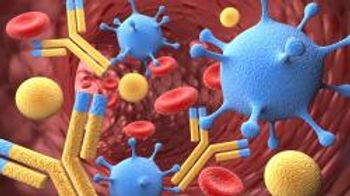
The investigational, fully human IgG1 monoclonal antibody ADG20 prevented and treated infection with COVID-19 variants of concern.
A medical center wanted to review prescribing and documentation practices for their pharmacists.

RBX2660, an investigational microbiota-based live biotherapeutic for the treatment of C difficile, safely and effectively reduced recurrent C diff for 6 months.
With limitations on fidaxomicin at their facility, a hospital looked at vancomycin usage to determine if they needed to align with the new IDSA/SHEA CDI treatment guideline.
A team of investigators studied Clostridioides difficile infection (CDI) isolates to gauge resistance in the 2 antibiotics.
A health system piloted a program that explored having an infectious disease pharmacist aid in guiding treatment.
Designing a transitions of care stewardship program and engaging all stakeholders can help cut down on unnecessary antibiotic prescriptions.
Can clinicians rely on dosing strategy to avoid acute kidney injury for patients receiving vancomycin with a β-lactam like piperacillin-tazobactam?
Investigators sought information on how the infection is treated in outpatient clinics
Jason Pogue, PharmD, BCPS, BCIDP, shares key takeaways from his 2 presentations at MAD-ID 2022, including a new alternative to the SPACE acronym, as well as how to navigate any anxieties around oral carbapenems.
A MAD-ID 2022 poster sought to better understand the current antibiotic prescribing patterns at adult primary care clinics affiliated with Maimonides Medical Center in New York.
In a poster presented at MAD-ID 2022, Margaret Pertzborn, PharmD, evaluated the efficacy of a PrEP Provider Toolkit on non-infectious disease provider comfort prescribing PrEP with their patients.