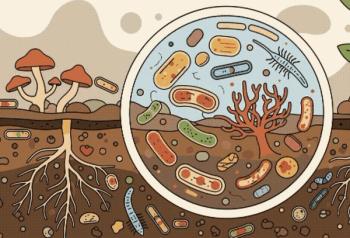
Widespread antimicrobial use disrupts vital microbial communities that regulate Earth’s biogeochemical cycles, driving antimicrobial resistance, worsening human and environmental health, and significantly contributing to climate change.
The recommendations are currently under review by US Centers for Disease Control and Prevention and the Department of Health and Human Services.
Currently, the US Centers for Disease Control and Prevention (CDC) recommends the hepatitis A vaccine for children 12 to 23 months and catch-up vaccinations for any individuals over 2 years of age.
However, the CDC’s Advisory Committee on Immunization Practices (ACIP) has voted to update recommendations on the use of vaccines to protect against hepatitis A.
The committee voted unanimously to recommend that all children and adolescents between the ages of 2 and 18 years who have not previously received the hepatitis A vaccine should receive a catch-up vaccination. ACIP also voted unanimously to recommend updating the language around using the hepatitis A vaccine in the Vaccines for Children program.
Both recommendations are currently under review by Robert Redfield, MD, director of the CDC, along with the Department of Health and Human Services. Details on the recommendations from ACIP and the final recommendations of the CDC will be published upon finalization in the CDC’s Morbidity and Mortality Weekly Report.
Currently available hepatitis A vaccines for pediatric and adult populations include Havrix (GlaxoSmithKline) and Vaqta (Merck.) Patients over the age of 18 years can also receive (GlaxoSmithKline), which is a combined hepatitis A and B vaccine.
Vaqta and Havrix are both indicated for the prevention of hepatitis A in individuals 12 months of age and older. The primary dose should be given at least 2 weeks prior to exposure to the hepatitis A virus. A booster dose should be administered intramuscularly 6 to 18 months later.
“Today’s ACIP vote comes at a time when the United States continues to experience a widespread outbreak of hepatitis A with more than 20,000 cases reported since 2017,” said Richard M. Haupt, MD, MPH, vice president and head of vaccines and infectious diseases, Global Medical Affairs at Merck, who produces the Vaqta vaccine, in a
As of June 28, 2019, there have been over 21,230 cases of hepatitis A reported across 25 states since the outbreaks were first identified in 2016. Of these cases, there have been 12,476 hospitalizations, which is an overall hospitalization rate of 59%, and 203 deaths.
According to the
In a
“Since 2006, the ACIP has recommended that all children in the USA receive the hepatitis A vaccine. Making it mandatory certainly raises the likelihood of broad immunity. That said, children rarely have serious outcomes with HAV, so the vaccination of children is largely to produce a generation of later-protected adults,” Jensen said.
For state-by-state case counts in the