|Articles|July 20, 2020

FDA Grants Emergency Authorization for COVID-19 Specimen Pooling

Quest Diagnostics will now able to efficiently test larger groups of specimen among persons from low-coronavirus risk areas.

The US Food and Drug Administration (FDA) has granted Emergency Use Authorization (EUA) to Quest Diagnostics for specimen pooling via its proprietary molecular diagnostic test for coronavirus 2019 (COVID-19).

With the emergency indication granted this weekend, Quest Diagnostics is now the first lab in the US to receive FDA authorization for COVID-19 specimen pooling testing.

Pooling testing calls for the combination of individual specimen vials into small batches by laboratory investigators—creating an outcome of either a negative or positive result. If the batch is negative, all patients pooled in the test are considered negative. If the results are positive, each specimen is then retested individually.

Through this, Quest Diagnostics could more efficiently evaluate samples from persons in regions or populations reporting low rates of COVID-19 spread. The practice is common in blood blanking, among other fields.

In a clinical trial assessing the benefit of the Quest laboratory’s pooling system, investigators reported that none of the 3091 total specimens from a population in the tenth percentile of COVID-19 prevalence rate would have been incorrectly determined as negative (95% CI, 0.0-0.1).

Jay G. Wohlgemuth, MD, senior vice president and chief medical officer of Quest Diagnostics, applauded the FDA for taking what he called an “important step” to allow the laboratory network increased capacity for testing.

"Pooling will help expand testing capacity but it is not a magic bullet, and testing times will continue to be strained as long as soaring COVID-19 test demand outpaces capacity,” Wohlgemuth said in a statement. “Each of us can practice behaviors that will reduce COVID-19 infections in our communities, so our national healthcare system can better respond to this crisis."



Related to this article

Inhaled Amikacin Shows Low Resistance Rates in MAC Lung Disease in ENCORE
In the phase 3b ENCORE trial, adding amikacin liposome inhalation suspension (ALIS) to azithromycin and ethambutol significantly improved culture conversion in newly diagnosed MAC lung disease, while treatment-emergent amikacin (2.2%) and macrolide (1.1%) resistance stayed rare. Kevin Winthrop, MD, provides insights around the study.
Measles Update: October 16, 2026
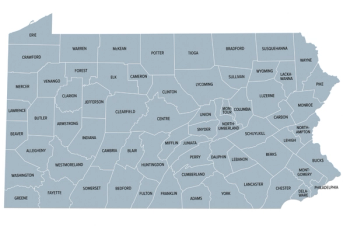
The latest CDC numbers show an 8.1% increase in measles cases from week-to-week, bringing the 2026 US total to 4410 confirmed cases. A CDC disease detective is going to Pennsylvania to aid in the state's massive outbreak, and the agency reports on a rare measles complication that is uniformly fatal.
NFID Survey Finds Respiratory Vaccine Gap Driven by Lack of Clarity, Not Hesitancy
The National Foundation for Infectious Diseases (NFID) recently held its respiratory season kick-off, which included the release of its annual respiratory disease survey. This year, the survey revealed the gap between vaccine support and uptake. Robert Hopkins Jr, MD, medical director of NFID delves deeper into the findings of the survey and the vaccine uptake challenges associated with certain immunizations.
Measles Update: October 9, 2026
The latest CDC numbers show a 5.0% increase of measles cases from week-to-week. The US total reached 4080 confirmed cases, 78% above all of 2025.
FAQ: What You Need to Know About Measles in 2026
With US measles cases nearing 3,900 this year and Pennsylvania reporting its fifth measles-related death, here is a review of how the virus spreads, how it is prevented and managed, and what severe disease looks like.