
The FDA approved bepirovirsen (Hibsago; GSK) with nucleos(t)ide analogue therapy for chronic hepatitis B, based on B-Well 1 and 2 functional cure rates of 19% vs 0% with placebo.
The FDA approved bepirovirsen (Hibsago; GSK) with nucleos(t)ide analogue therapy for chronic hepatitis B, based on B-Well 1 and 2 functional cure rates of 19% vs 0% with placebo.
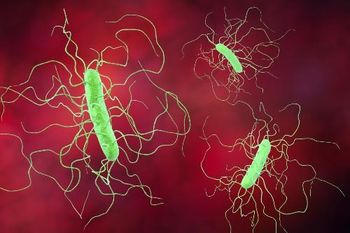
In the phase 2 RePreve trial, Lumen Bioscience’s investigational oral biologic LMN-201 plus standard antibiotics achieved global cure in 83.3% of patients with C difficile infection vs 36.4% with placebo, and cut recurrence sixfold (9.1% vs 55.6%) with no drug-related serious adverse events.

The first animal model of neonatal sepsis to evaluate protection by maternal vaccination evidences transfer of immunity against virulent, often antibiotic-resistant Klebseilla pneumoniae.
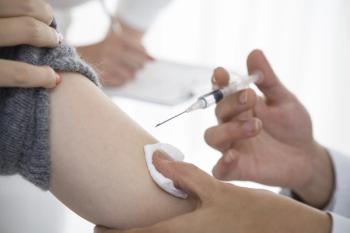
The CHMP adopted a positive opinion on an extension of indication for AstraZeneca's H5N1 pandemic influenza vaccine at its October meeting.
The company, Family Farmstead Dairy, issued a raw cheddar recall over potential contamination with Shiga toxin-producing Escherichia coli (STEC) is happening across 7 states.
The guidelines issued by the Department of Health and Human Services (HHS) have been updated with recent, evidence-based consensus of The Panel for the Use of Antiretroviral Agents in Adults and Adolescents.
As the Bundibugyo virus outbreak in the Democratic Republic of the Congo surpasses 9300 confirmed cases and 4400 deaths, this FAQ explains how the virus spreads, how it presents, why it is hard to diagnose and treat, which vaccines and therapies are being tested, and why CDC considers the risk to the United States low.
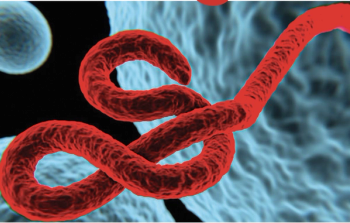
As of October 15, CDC reports 9235 confirmed cases and 4444 deaths in the Bundibugyo virus Ebola outbreak in the DRC, now the second-largest on record.
The latest CDC numbers show an 8.1% increase in measles cases from week-to-week, bringing the 2026 US total to 4410 confirmed cases. A CDC disease detective is going to Pennsylvania to aid in the state's massive outbreak, and the agency reports on a rare measles complication that is uniformly fatal.
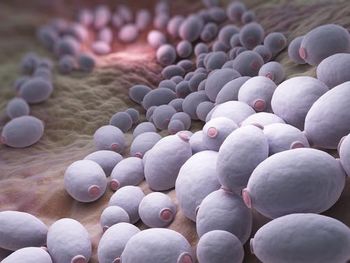
Serial bloodstream isolates from two critically ill London patients showed heteroresistance, CRZ1 escape mutations, and drug-induced polyploidy despite wild-type FKS1 and susceptible MICs.

Projected disease burden from declining childhood vaccine coverage shows increases in vaccine-preventable diseases. Benjamin Lopman, PhD, provides insights on how VaxImpactMap works and the potential long-term disease consequences of decreased immunization rates.

Approximately 12% of all new cases of cancer worldwide in 2024 were attributable to an infection, with most of the infections preventable or treatable before cancer develops.
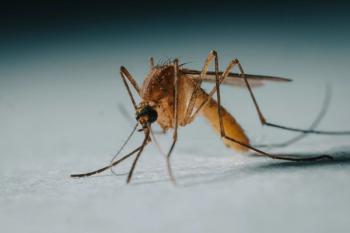
After 2 adults died of West Nile virus in central North Carolina this month, this FAQ explains how the mosquito-borne virus spreads, who faces the greatest risk of severe neuroinvasive disease, and how clinicians can diagnose, manage, and help prevent infection when no vaccine or antiviral treatment exists.
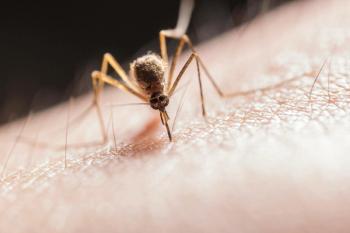
North Carolina health officials confirmed two West Nile virus deaths among adults in the central part of the state, where CDC data show 11 human cases this season.
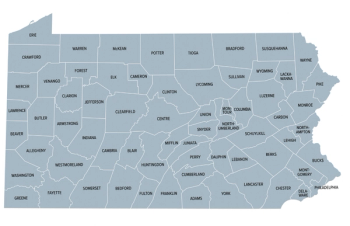
A 39-year-old unvaccinated Franklin County woman has died after a recent measles diagnosis. Nationally, numbers continue to increase and the US has passed 4,000 cases.

The National Foundation for Infectious Diseases (NFID) recently held its respiratory season kick-off, which included the release of its annual respiratory disease survey. This year, the survey revealed the gap between vaccine support and uptake. Robert Hopkins Jr, MD, medical director of NFID delves deeper into the findings of the survey and the vaccine uptake challenges associated with certain immunizations.
Detection of the virulent neurotropic fungus Cladophialophora bantiana in clinical samples, primarily CNS tissue, increased four-fold in the period from 2023 to 2025.
CDC reports 8,750 confirmed Bundibugyo virus cases and 4,208 deaths, making the DRC outbreak the second-largest Ebola outbreak on record.
Pritelivir (Hovilpri) healed all lesions by day 28 in 63% of immunocompromised adults with refractory HSV versus 34% with investigator's choice in the phase 3 PRIOH-1 trial.
CDC is continuing its investigation into 4 multistate Salmonella and E coli outbreaks, led by a 76-case alfalfa sprout cluster across 16 states and a recalled raw milk cheese.
The latest CDC numbers show a 5.0% increase of measles cases from week-to-week. The US total reached 4080 confirmed cases, 78% above all of 2025.
UTI guidelines are moving away from complicated or uncomplicated infections to localized or systemic classification terminologies. Guidelines author Zachary Nelson, PharmD, MPH, BCIDP, provides further insights on the changes including applying antibiograms, potential costs, and whether clinicians will embrace these new classifications.
Demonstrating a diagnostic test works is no longer enough. Clinicians and laboratories also need evidence on how to adopt it in everyday practice. Andrea Prinzi, PhD, MPH, SM(ASCP), explains how implementation science can help infectious disease and clinical microbiology teams turn evidence into routine care.

Kenya reported its first imported Bundibugyo Ebola death as the Democratic Republic of Congo (DRC) outbreak surpassed 8,600 confirmed cases and 4,148 deaths, with 896 patients hospitalized in isolation. Here is a report on the latest numbers as well as vaccine and therapeutic study updates.
With US measles cases nearing 3,900 this year and Pennsylvania reporting its fifth measles-related death, here is a review of how the virus spreads, how it is prevented and managed, and what severe disease looks like.
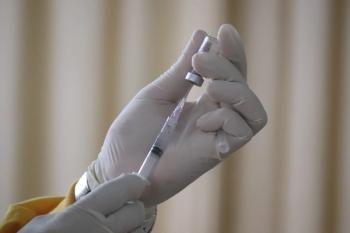
Vaxcyte's 31-valent pneumococcal conjugate vaccine candidate met every prespecified primary immunogenicity and safety endpoint against PCV20 and PCV21 in the OPUS-1 trial of 4,047 US adults.
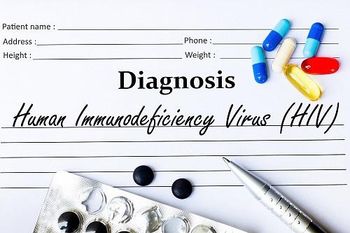
Long-acting cabotegravir plus rilpivirine (Cabenuva) achieved superior viral suppression vs daily oral antiretroviral therapy at 6months in treatment-experienced people with HIV and detectable viremia in the phase 3b CROWN trial.
FDA-cleared single-step immunoblot tests built on recombinant antigens from multiple Borrelia species detected nearly twice as many early Lyme disease cases as standard 2-tier testing. Joseph J. Burrascano Jr, MD, offers insights into what the new tests mean for clinicians.

Irkutsk anti-plague institute death prompts quarantines and conflicting official accounts.
A laboratory technician at a Siberian anti-plague institute has died of pneumonia of unknown cause, prompting quarantines and contact monitoring while Russian officials stop short of confirming plague.