

George Thompson, MD, offers some insights on 2 studies looking at these antifungals in patients with candidemia and invasive candidiasis.
George Thompson, MD, offers some insights on 2 studies looking at these antifungals in patients with candidemia and invasive candidiasis.
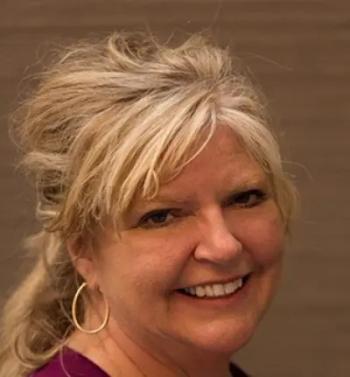
NACCHO’s CEO Lori Tremmel Freeman discusses efforts and emphasizes the need for federal support and coordination.
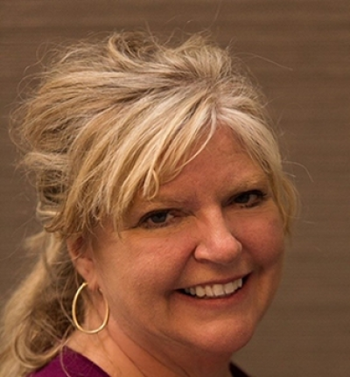
CEO Lori Tremmel Freeman discusses NACCHO's capacity-building programs and strategies to strengthen local health departments in addressing evolving public health threats.

Robert H. Hopkins, Jr, MD, medical director, National Foundation for Infectious Diseases (NFID) provides an update on incidence rates and virus patterns across different regions of the US.

There are high infection rates in this population, but limited opportunities to bring about awareness and education. However, a newer program sponsored by ViiV Healthcare looks to engage these women and bring about a better understanding behind transmission and care.
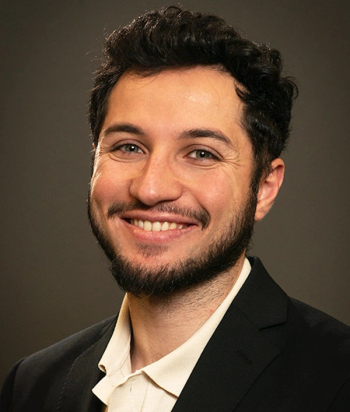
In the second part of our conversation, Abdulwhab Shremo Msdi, PharmD, discusses using this methodology.
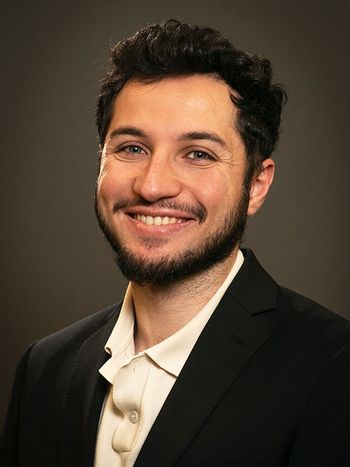
Abdulwhab Shremo Msdi, PharmD, offers insights on its complexities, why institutions have been slower to include this dosing technique, and why clinicians need to consider this approach.

Larry Sutton, MD, PhD, discussed how oxygen affects C. difficile and provides anti-inflammatory effects in the gut, with potential applications for gastrointestinal diseases.

CEO Larry Sutton, MD, PhD, discusses SIDIPREV, a novel oxygen-based therapy aimed at preventing C difficile infections.

Rising temperatures and changing humidity are undermining natural pest control, putting North American forests at risk.
Exploring the challenges and strategies for combating MDR Pseudomonas aeruginosa infections, as discussed with Jason Pogue, PharmD, BCPS, BCIDP
This week the panel weighs in on monoclonal antibodies in this patient population as well as important overall takeaways about COVID-19 therapies.
Jason M Pogue, PharmD, BCPS, BCIDP discussed ceftolozane tazobactam’s effectiveness over ceftazidime avibactam, particularly in pneumonia patients, where it reduced the likelihood of recurrent infections.
Jose Alexander, MD, ABMM, ABAIM, FCCM, CIC, ASCP, BCMAS, and his team discovered the klebsiella pneumoniae variant, KPC-31, in a patient by sequencing the entire genome through a series of different diagnostics, which not only led to identifying the strain, but to a greater understanding of its antimicrobial susceptibility.
Jason M Pogue, PharmD, BCPS, BCIDP discusses the findings, pharmacokinetics, why ceftolozane-tazobactam may be the preferred choice for resistant infections, and more.
In this week's episode, the panel weighs in on treatments not specifically indicated for COVID-19 treatment, including metformin, and concerns around using medications in this way.
Joseph Zackular, PhD suggests that mRNA vaccines and monoclonal antibodies could offer more effective treatments for recurrent C difficile infections
Joseph Zackular, PhD, shares insights on his team’s mRNA vaccine research for C difficile, highlighting progress in animal models and future plans for human trials.
In this week's episode, the panel discusses therapies and care involving inpatients, including mechanical ventilation, extracorporeal membrane oxygenation (ECMO), and remdesivir.
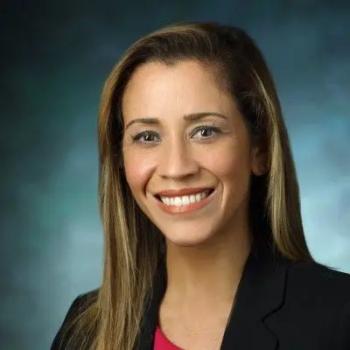
Alba Azola, MD discusses the challenges of diagnosing and managing Long COVID and its overlap with ME/CFS, emphasizing the need for individualized care and ongoing research.
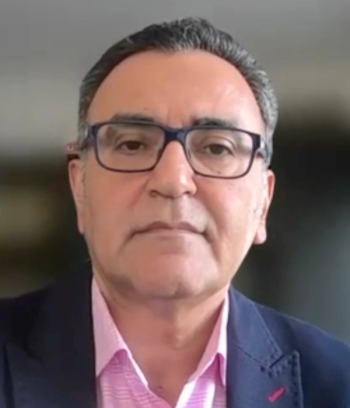
A small phase 2 study evaluated Debiopharm’s investigational antibiotic, afabicin, including its clinical response rate and safety profile of 2-3 weeks of treatment for staphylococcal bone and joint infections (BJI).
Jones offered his insights for discharging patients as well as follow-up outpatient treatment.
In our latest roundtable series, we discuss COVID-19 treatment management and prevention 4 years after the start of the pandemic.
The complex and often frustrating realities that patients face when dealing with a post-infection condition that remains misunderstood by many continue to unfold.

Amesh A. Adalja, MD, FIDSA outlined the importance of recognizing antibiotic resistance in healthcare settings, educating patients on responsible antibiotic use, and the need for new treatments and diagnostic tools.
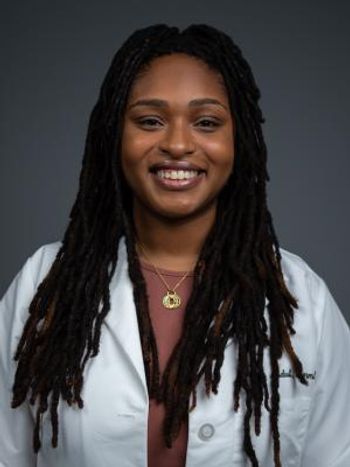
Jacinda Abdul-Mutakabbir, PharmD, MPH, AAHIVP, discusses her work on the Equity in Antimicrobial Stewardship Efforts (EASE) framework, including progress for it, and how other institutions or providers can implement it.
In this conversation, Jones discussed looking at the benefits around choosing 1 specific therapy for treatment.

With melting ice and the release of ancient viruses, there are concerns around the emergence of potentially unknown infectious diseases. Emily Jenkins PhD, DVM, BScHon, offers insights on “zombie viruses” and says polar bears might hold the key to understanding what lies ahead, and how a One Health approach may help in surveillance and prevention.

This bacteremia can present heterogeneously and be difficult to contain, especially in an older patient population. Daniel B. Chastain, PharmD, BCIDP, AAHIVP, FIDSA, reviews the data of this class of therapies and how it may be clinically beneficial in combination with other antimicrobials.

Combining over 1,000 human antibodies, GIGA-2339 aims to achieve viral clearance and activate the immune system, offering a potential solution where current therapies fall short of providing a cure.