What You Need to Know
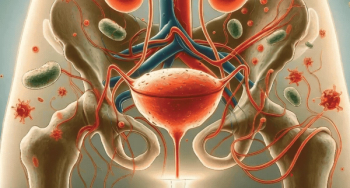
The CDC surveillance identified an estimated annual incidence of nearly 75 cases per 100,000 people, with more than 95% of patients hospitalized and almost 8% dying—disproportionately affecting older adults and women, and most often originating from urinary tract infections.
Nearly 14% of invasive infections involved ESBL-producing strains, and resistance to commonly used antibiotics such as ciprofloxacin and trimethoprim-sulfamethoxazole was widespread, raising concerns for frontline clinicians managing sepsis and urosepsis.
The dominance of specific O-antigen serotypes (O25B, O2, and O6) supports ongoing vaccine development efforts, which could reduce invasive disease burden and antibiotic use, forming a key component of long-term antimicrobial resistance mitigation strategies.
An incident case, defined as the first isolation of E coli of any antimicrobial susceptibility from a normally sterile body site, was identified through query of clinical laboratory automated testing. Candidate cases then underwent medical record review to ascertain elements such as patient demographics, underlying conditions, health care exposures and outcomes, associated infection types and antimicrobial susceptibility testing results.
The investigators identified 1,345 cases of invasive E coli infection in 1,334 unique case-patients; with 1,223 (90.9%) from blood and 122 (9.1%) from other sterile sites. Most infections were initially associated with the urinary tract.The cases corresponded to an estimated annual incidence of 74.7 (51.4-96.0) per 100,000 population, with higher incidence rates in females and in adults 60 years of age or older. 1,279 of the patient cases (95.1%) required hospitalization, and 106 (7.9%) died.
Extended-spectrum ß-lactamase-producing (ESBL) E coli were found in 185 (13.8%) of the infections.275 of 1061 isolates (25.9%) were determined to be resistant to ciporofloxacin, and 370 of 1285 (28.8%) resistant to trimethoprim-sulfamethoxazole.
The investigators characterize the approximate 14% of cases associated with an ESBL isolate as "alarming."
"The rise in ESBL E coli may give pause to clinicians making empiric treatment decisions for syndromes frequently caused by E coli, such as urospepsis," Grome and colleagues suggest.
The most prevalent serotypes were O25B (137 isolates [16.2%]), O2 (93 isolates [11.0%]), and O6 (84 isolates [9.9%]). The investigators note that the high prevalence of the O antigen serotype has been found by others, and serves as a basis for clinical trials of several different polysaccharide conjugate vaccine candidates targeting O antigens.
"Vaccines targeting invasive E coli could play an important role in a broader strategy to reduce antimicrobial resistance by preventing infections and reducing reliance on antibiotic treatment," Grome and colleagues posit.
Reference
1. Grome HN, Brandenburg JM, Kent AG, et al. Extraintestinal invasive Escherichia coli infections in the US. JAMA Netw Open. 2026; 9(2):e2557201. doi:10.110/jamanetworkopen.2025.57201.