
Opinion|Videos|November 13, 2026
Rapid Diagnostics for AMR Gram-Negative Bloodstream Infections
Rapid molecular testing from positive blood cultures delivers actionable resistance data within hours, and knowing when each result arrives, and which are suppressed, shortens the time to effective therapy.
Advertisement
Episodes in this series
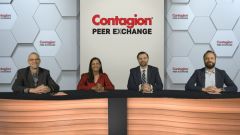
This episode, "Rapid Diagnostics for AMR Gram-Negative Bloodstream Infections," maps the clinical decision points that each day of microbiology testing provides. The order in which microbiology results arrive shapes how quickly clinicians can move a patient onto active therapy, and rapid molecular testing has compressed that timeline in ways that change outcomes. Dr. Shields walks through the life cycle of a positive blood culture and the clinical decision points available on each day.
He identifies rapid nucleic acid amplification testing performed directly from a positive bottle as the most important advance, because it can identify the pathogen and key resistance genes within hours. Dr. Shields argues that this capability should be the standard of care at every hospital and encourages clinicians at centers without it to raise the issue with their laboratories.
For Enterobacterales, he explains, detecting a specific beta-lactamase usually provides immediately actionable information, allowing clinicians to select an agent before phenotypic susceptibility results return. Pseudomonas aeruginosa is a different story, because multiple simultaneous mechanisms mean a single gene rarely predicts activity, making susceptibility results essential. He highlights the addition of newer beta-lactam-beta-lactamase inhibitors to automated panels as a meaningful shift that removes an extra day of waiting.
Dr. Tamma adds that results for newer agents are often suppressed from clinician view for stewardship reasons, so a highly resistant Pseudomonas report may already have hidden susceptibility data that clinicians can request. Dr. Haidar underscores why this matters, noting that the 24- to 48-hour gain from earlier mechanism detection, such as identifying an ESBL gene and moving promptly to a carbapenem, is clinically meaningful. Clinicians should learn their own laboratory's workflow and what it tests but suppresses, because those hidden hours translate directly into earlier effective treatment.
The panel turns to the carbapenemase reshaping US epidemiology in "Why NDM Carbapenemases Are Spreading in AMR Gram-Negative Infections."
Advertisement
Related to this article

Los Angeles has been experiencing this challenging bacteria in recent years with the potential of it becoming carbapenem-resistant in the future. Shaun Yang, PhD, D(ABMM), FIDSA, MLS(ASCP), provides commentary about his team's work in this area and the role of genomic sequencing to uncover this troublesome pathogen.

Cefiderocol MICs fell against Pseudomonas aeruginosa and Klebsiella pneumoniae, and the drug showed marked synergy with LL-37 against resistant Acinetobacter baumannii. Jacinda Abdul-Mutakabbir, PharmD, MPH, AAHIVP, discusses her team's findings around this therapy and these pathogens.
Shionogi data presented at IDWeek 2026 demonstrated a 76.7% clinical response with cefiderocol in carbapenem-resistant respiratory infections and high in vitro activity against resistant P aeruginosa VAP isolates. Christine Slover, PharmD, vice president, Infectious Diseases US Medical Affairs, Shionogi, offers insights on the data as well as clinical considerations for providers when weighing the antibiotic for patients.
Advertisement
Advertisement