The Evolving Childhood Vaccine Schedule: Protecting Babies With Prenatal Education
In this episode, the panelists talk about how they broach conversations with expectant mothers around counseling on vaccinations for their babies.
Episodes in this series

This roundtable series discusses the ongoing recommendation changes being made to the pediatric vaccine schedule, and how this is impacting US public health.
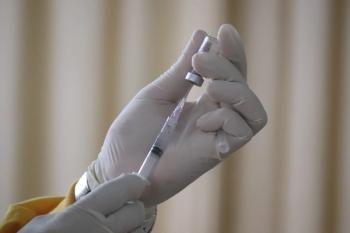
In the previous episode, the panelists talked about how a study on the hepatitis B vaccine uptake showed the importance of prenatal counseling. These types of conversations will continue to be paramount, especially in the face of falling immunization rates.
Before universal hepatitis B vaccination, an estimated 18,000 US children contracted the virus each year.1 That number has fallen to fewer than 1,000 children or adolescents annually.2
Although hepatitis B vaccination has been seen as a successful public health policy, vaccine rates are beginning to decline rapidly. One recent study showed a peak hepatitis B immunization rate of 83% in 2023, but a drop to a 73% immunization rate in 2025, demonstrating a 10% decline in 2 years.3
Mary Koslap-Petraco, DNP, PNP-BC, CPNP, clinical assistant professor at Stony Brook University School of Nursing, says its about having a dialogue that empowers the mothers-to-be and giving them a sense of having a say in the matter.
“The first thing I say to them is, ‘can I discuss vaccines with you?’ I've never had a mother say no to me; that's kind of empowering for them to hear from a provider asking for permission, and again, I'm speaking from the nurse perspective. Then I ask them, ‘what specific questions do you have about the vaccines?’ And when they come up with the questions, I ask them, ‘well, where did you hear the information?’ And then I say to them, ‘well, let's look at that together.’ I'm looking for who published it? Where was it published? Who funded it? And a lot of times, I can poke holes in what they've heard by just asking those questions,” Koslap-Petraco said.
Roundtable Panelists
Jacinda Abdul-Mutakabbir, PharmD, MPH, assistant professor of clinical pharmacy and antimicrobial resistance researcher at UC San Diego
Sharon Nachman, MD, chief of pediatric infectious diseases, Stony Brook Children's Hospital
Mary Koslap-Petraco, DNP, PNP-BC, CPNP, clinical assistant professor at Stony Brook University School of Nursing in Stony Brook
William Schaffner, MD, professor of medicine in the Division of Infectious Diseases at Vanderbilt University School of Medicine
As pediatric providers, Koslap-Petraco and Sharon Nachman, MD, both acknowledge it is hard for clinicians to have these conversations with time constraints. Nachman says to help providers complement their patient encounter counseling, the American Academy of Pediatrics has developed educational videos for families to watch.
“Not calling it data, not using fancy scientific terms, but talking about the differences in the vaccines and why we use it in that kid in that time. And I think over the next few months, we will see many more of these videos, and they can be used in physician offices—be put on a loop on the television. Also a QRL code can be given to the family that they can look at it while they're in the waiting room. And I think that will help,” Nachman said. “My worry is I hear some of us talking, is that most of the pediatricians out there don't have the time, such as Mary's talking, to do that kind of lengthy discussion. So I am hoping that these short videos and the QRL codes, where the parents can watch the video at home, are going to make a difference. Do I think it will be a huge change? I don't know, because we are battling a huge onslaught tsunami of bad information.”