Check out the First Episode
Watch the first episode with Wohl about the Ebola outbreak:

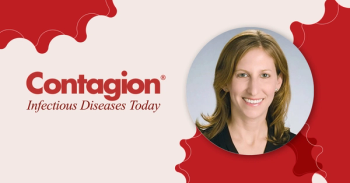
In the second episode of our conversation with David Wohl, MD, with the Institute for Global Health and Infectious Diseases at the UNC School of Medicine, he discusses the person-to person transmission, if we expect to see more cases and how it presents, including a serious complication of the virus.
This is part of a short series around high-consequence infectious diseases and the ongoing Hantavirus cluster associated with the cruise ship and the Ebola outbreak in Africa. The discussions with clinicians with experience in these areas will include dealing with quarantines, monitoring protocols, and the significance of biopreparedness in the face of these ongoing health crises and a reduced US infectious disease healthcare budget.
As of May 21, there were 9 confirmed cases, 2 probable cases, and 3 deaths associated with the cruise ship cluster of Hantavirus cases. The Andes virus, which is the particular strain associated with this cluster, is believed to have been contracted by passengers on the ship who had previously visited rural areas of Argentina where they may have come into contact with rodents.
In terms of additional cases after the passengers and crew have returned to their home countries is a possibility, given the long incubation period of the virus and the possibility that some infections occurred on board on the ship or secondary infections from infected passengers to others around them while traveling home, according to the European Centre for Disease Prevention and Control.
David Wohl, MD, professor of medicine in the Division of Infectious Diseases at UNC, says more cases could happen but that the understanding of the transmissibility of the Andes virus still has many unknown factors.
“We haven't seen a lot more cases so far also tells you something about the ability of this to spread person to person. Certainly, there are people who are on that ship who are now back who had contact with people who got infected and got sick and have not shown any signs of having been infected. The incubation period can be pretty long, but you know we're not seeing the whole ship, for instance, get sick,” Wohl said.
He also points to one of the cruise passengers flying afterwards, and thus far, other plane passengers are not contracting the virus.
Although the Andes virus has been around for some years including an outbreak in Argentina in 2018-2019 that caused 34 confirmed infections and 11 deaths from what is believed to be from super spreader events,2 Wohl points out not a lot of data is in the literature around it, and this makes it unpredictable to clinicians and public health officials.
“I think there's some big gaps there. I think right now we should be prudent, but none of the signals are that this is like that [Argentinian outbreak],” Wohl said. “That doesn't mean there won't be secondary transmission. I'm worried about the people who are on the plane. I'm worried that we're not following globally, everyone who could have been exposed to people who were on that ship. So I wouldn't be shocked if we find out not only that there might be some people on the ship who do develop symptoms, I don't think it's going to be a lot, but maybe a few, but I also wouldn't be shocked if we find out that there is been secondary transmission from someone on the ship to somebody else during that period of time where we weren't aware of what was going on.”
Watch the first episode with Wohl about the Ebola outbreak:
Wohl does say it does not appear to be as contagious as COVID-19. “It's not in the same category of a respiratory virus like COVID or flu that we know now can be transmitted by airborne [particles].”
In terms of how it presents, Wohl says the Andres virus acts similar to the Sin Nombre virus that appears in the US.
“I don't know that there's a whole lot of difference in the clinical manifestations, so that's key. Both can be really serious, both can make people very sick and die,” Wohl said.
One of the more severe complications of both strains, which occur in both South and North America is virus Hantavirus Pulmonary Syndrome (HPS). This syndrome is a serious and potentially fatal respiratory illness. Symptoms typically develop 1 to 8 weeks after exposure to an infected rodent.3
Early signs often include fatigue, fever, and muscle aches—particularly in large muscle groups such as the thighs, hips, back, and sometimes the shoulders. About half of patients also report headaches, dizziness, chills, and gastrointestinal symptoms such as nausea, vomiting, diarrhea, and abdominal pain.3
Four to 10 days after the initial phase, more severe symptoms can develop, including coughing and shortness of breath. As the disease progresses, fluid can accumulate in the lungs, leading to chest tightness and difficulty breathing. HPS can be deadly, and 38% of people who develop respiratory symptoms may die from the disease.3
In the final episode of the series, the ongoing Hantavirus and Ebola outbreaks reaffirm the importance of biopreparedness and biosurveillance around high-consequence infectious disease, and clinicians weigh in on the need to continue to these endeavors as a matter of public health safety.