
News|Videos|April 13, 2026
Utilizing AI for Drug Discovery: Uncovering Needles in Haystacks
Author(s)Akhila Kosaraju, MD, Contagion Editorial Team
Akhila Kosaraju, MD, provides insights around how AI is moving towards an accelerated pace of antimicrobial development in hopes of getting molecules into clinical trials and approved much faster than the current paradigm.
Advertisement
This is a short series addressing how AI can help in antimicrobial discovery including how the field has moved from a predictive to a generative process, looking at one partnership between a pharmaceutical company and an AI biotech social venture, and how these partnerships may help in reducing antimicrobial resistance.
In its best ideation, AI has the potential to reshape antimicrobial discovery quickening the pace of molecule development. For example, the MIT lab of James Collins, PhD, took roughly 2,500 compounds against E coli, and utilized machine learning models to identify patterns in chemical structures that determined antibacterial effectiveness. Graph neural networks were then used to scan vast chemical libraries, uncovering overlooked compounds with potent activity.
“So we were able to find these needles in a haystack of these, oftentimes, sort of discarded compounds from big pharma or other research efforts where the antibacterial properties were unknown or unearthed,” said
This approach led to the discovery of halicin, an antibiotic with broad-spectrum activity against so-called superbugs.
“It was an electrifying moment for the field…we were just scratching the surface of how AI could power the next generation of those needed antibiotics,” she said.
Kosaraju, along with Co-founder Collins of MIT, lead Phare Bio, which according to their website is defined as a “social venture using novel AI and Deep Learning to tackle the world’s most urgent threats…backed by TED's Audacious Project, ARPA-H, and, most recently, with grant support from Google.org through the Generative AI Accelerator, to build the next generation of antibiotics and unlock social impact on a grand scale.”
In recent years, the field has evolved from predictive AI—identifying promising compounds—to generative AI, which designs entirely new antibiotics from scratch. This shift represents a major leap forward in speed, scale, and innovation. By combining the creativity of generative models with strict drug-development constraints, researchers can now design compounds that not only kill bacteria but also meet critical safety and usability standards.
“What we've now started to layer in are drug-like parameters…not just efficacy, but also toxicity, pharmacokinetics, [and] oral bioavailability,” Kosaraju said, emphasizing the transition toward a comprehensive drug design engine.
Collaboration and data sharing are central to this progress. With support from major partners, researchers are building expansive datasets that integrate both efficacy and drug-like characteristics. These efforts aim to lower barriers to entry in antibiotic research, a field currently limited by economic challenges, a relatively small workforce, and a long time from development to approval. By democratizing access to data and leveraging AI, researchers hope to accelerate discovery and reinvigorate global antibiotic research.
“We believe that we can really lower the barrier to entry, so that anyone with the ability to log into our data set should be able to work with the data and see what they can come up with—of course, with some background in microbiology or chemistry,” Kosaraju said.
In the next episode of the series, Phare Bio’s partnership with Basilea Pharmaceuticals is looking to not only enable faster development, but looking to expedite getting molecules into clinical trials. Learn more about their collaboration.
Advertisement
Related to this article

UTI guidelines are moving away from complicated or uncomplicated infections to localized or systemic classification terminologies. Guidelines author Zachary Nelson, PharmD, MPH, BCIDP, provides further insights on the changes including applying antibiograms, potential costs, and whether clinicians will embrace these new classifications.
Jason Pogue, PharmD, BCPS, BCIDP, contextualizes preliminary data looking at this trial and other extended-spectrum beta-lactamase (ESBL) studies, which reopens the debate around carbapenem-sparing treatment options.
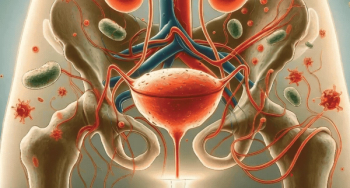
Recent urinary tract infection guideline updates from multiple international
medical societies highlight evolving recommendations, including a major shift
in classification, moving from anatomy- and risk factor–based definitions
toward distinguishing localized from systemic infections.
IDSA/ESCMID panel member Henry Chambers, MD, explains why the new S aureus bacteremia guidance replaces the complicated vs uncomplicated label with risk stratification, and how the statements are akin to the stages of cancer in guiding treatment decisions associated with this bacteremia.

IDSA and ESCMID released 7 consensus statements to assist in managing individuals with SAB. This review will focus on the adult patient population and additional information on pediatric population statements can be assessed in the guideline. Here is a closer look at Consensus Statement 2: Follow-up Blood Cultures.

With a significant increase in rabies exposures this year, Rodney Rohde, PhD, talks about seeking medical attention after animal interactions as well as clinical treatment when people have been bit or scratched.
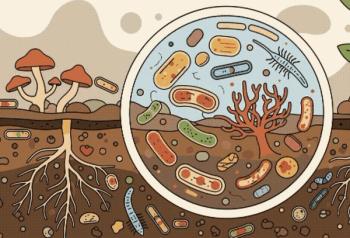
Widespread antimicrobial use disrupts vital microbial communities that regulate Earth’s biogeochemical cycles, driving antimicrobial resistance, worsening human and environmental health, and significantly contributing to climate change.

New data from the PETERPEN trial suggest that piperacillin-tazobactam may be noninferior to meropenem for early clinical outcomes in select patients with ESBL bloodstream infections, but carbapenems remain the standard of care until final mortality results are available and fully analyzed.
Advertisement
Advertisement