

The complex and often frustrating realities that patients face when dealing with a post-infection condition that remains misunderstood by many continue to unfold.
Abene is currently a freelance writer and editor who contributes to Contagion. She is the former Assistant Editor for Contagion. She can be emailed at: sophiaabene@gmail.com.
The complex and often frustrating realities that patients face when dealing with a post-infection condition that remains misunderstood by many continue to unfold.

Nirsevimab proves effective in preventing RSV-related medical visits and hospitalizations in infants, with enhanced results in catch-up immunization programs.

Amesh A. Adalja, MD, FIDSA outlined the importance of recognizing antibiotic resistance in healthcare settings, educating patients on responsible antibiotic use, and the need for new treatments and diagnostic tools.

Raw milk products are not pasteurized, making them more susceptible to carrying harmful pathogens, in this case, bird flu.

Daniel Ilges, PharmD, BCIDP discussed this improved diagnostic stewardship, reduced unnecessary treatments, and had no impact on diagnosis timelines.

This week, GigaGen has launched a Phase 1 trial for GIGA-2339, a potential functional cure for chronic Hepatitis B, public health concerns like the California raw milk recall due to H5N1 and new findings linking lung dysfunction to cognitive decline in Long COVID patients, and more.

This study explores HLA-E as a target to activate the immune system in HBV infection, identifying a stable peptide, Env371-379 L6I, that effectively triggers T-cell responses.

New research using advanced MRI techniques explores how impaired pulmonary gas exchange may contribute to cognitive impairments in Long COVID patients, offering insights for potential treatment strategies.

CDPH advises consuming pasteurized milk, which kills the virus, while the state increases testing and monitoring following 29 confirmed human cases of H5N1 linked to infected dairy cows.

Using fecal microbiota transplantation within the CGA framework further enhanced survival and care efficiency.

Combining over 1,000 human antibodies, GIGA-2339 aims to achieve viral clearance and activate the immune system, offering a potential solution where current therapies fall short of providing a cure.
Recent studies show oral vancomycin reduces CDI by 64% in stem cell transplant patients, Biktarvy is effective for HIV/HBV co-infection, climate change drives rising dengue cases, and a 7-day antibiotic regimen is as effective as 14 days for bloodstream infections.

Wolverine Packing Co is recalling ground beef due to potential contamination with E coli O157:H7
Along with the CDC, we highlight the One Health approach and advocate for effective infection control measures, such as vaccination and innovative technologies, to prevent the spread of resistant pathogens and combat AMR.

Nicole M Iovine discusses the risks associated with this particular E coli strain, challenges posed by organic farming, and offers practical food safety tips to protect vulnerable populations.

The BALANCE trial suggests that shorter treatment durations may reduce healthcare costs, antibiotic exposure, and antimicrobial resistance risk, providing an alternative for critically ill patients.

California reports a suspected case of a child; Oregon's first human case linked to a poultry outbreak; and Canada's first locally acquired case in a critically ill teen.

The ALLIANCE Phase III study demonstrated that Biktarvy, a TAF-based regimen, achieved sustained virologic suppression in adults with HIV/HBV co-infection.

In recognition of C difficile Awareness Month this November, the CDC's 2023 HAI Progress Report highlights continued progress in reducing CDIs across US healthcare settings.

Reduction of in-hospital rate of C difficile infection from 11% to 4%, with no increased risk of infection following treatment.

Arbutus CEO Michael McElhaugh discussed trial results showing that a combination of imdusiran, an RNAi therapeutic, and pegylated interferon alfa-2α can achieve a functional cure in chronic hepatitis B patients.
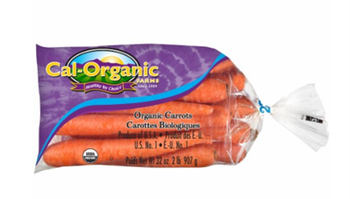
Grimmway Farms issued a voluntary recall after 26 out of 27 individuals interviewed as part of the outbreak investigation reported eating their carrots before becoming ill.
This week, food recalls due to Listeria monocytogenes contamination and, a study comparing treatments for recurrent C difficile infections underscore the need for further research, policy adjustments, and more.

With up to 37.5% of children carrying this resistance mutation the findings suggest that current treatment protocols may be losing effectiveness.

Medication errors and patient falls in COVID-19-positive and non-COVID-19 patients highlight the impact of hospital workload on patient safety.

Participants who used fentanyl were 1.64 times more likely to experience HCV seroconversion compared to those who did not.

17 randomized controlled trials involving 4,148 patients assessed the efficacy of various treatments, finding that fecal microbiota transplantation via the lower gastrointestinal route was the most effective.

Results suggest a shorter treatment duration could reduce costs and improve access in low- and middle-income countries.

Chad Costley, MD, MPH, discussed the platform's ability to respond to emerging respiratory diseases and the challenges in advancing mucosal vaccine development for health preparedness.
Chad Costley, MD, MBA, provided an update on BlueWillow Biologics' NanoVax intranasal vaccine for H5N1, with Phase 1 trial data showing broad immune responses and no serious adverse events.