

This study revealed a significant decline in MSSA and a corresponding rise MRSA, particularly linked to COVID-19 social isolation measures.
Abene is currently a freelance writer and editor who contributes to Contagion. She is the former Assistant Editor for Contagion. She can be emailed at: sophiaabene@gmail.com.
This study revealed a significant decline in MSSA and a corresponding rise MRSA, particularly linked to COVID-19 social isolation measures.

Direct penicillin challenges carry a low risk of adverse reactions for individuals with a history of penicillin allergy, with a reaction frequency of only 3.5%.

A single dose of the mRNA-1273.222 vaccine demonstrated strong immune responses against various omicron subvariants and showed a favorable safety profile compared to existing vaccines.

The CDC recommends vaccination for pregnant individuals and the administration of the RSV antibody nirsevimab to infants under eight months.

A new algorithm in mass spectrometry-based peptidomics is making it easier to analyze complex biological data by grouping peptides into clusters.

Study halted due to ineffective results, but the findings still provide valuable insights for future research and improve treatment strategies for those affected by CDI.

Tina Tan, MD, FAAP, FIDSA, FPIDS underscores the importance of education and global collaboration in antimicrobial stewardship to tackle the escalating threat of AMR, and her takeaways from the UN General Assembly High-Level Meeting on Antimicrobial Resistance.

New research highlights a complex relationship between COVID-19 and cognitive function, suggesting that even mild infections can lead to subtle memory and attention deficits lasting at least a year.

The susceptibility of mosquito larvae and pupae to infection via excreta, emphasizes the potential for increased virus persistence within mosquito populations.

Cross-regional strains may spread more effectively in the community, highlighting the need for ongoing molecular surveillance to monitor their prevalence and detect potential changes.
In 2015 the country's high prevalence of chronic hepatitis C (HCV) was 5.4%, higher than the global average of 1%. In addition, Georgia saw a 67% reduction in chronic infection.

Continuous antibiotic infusions show positive results and may improve outcomes for patients with severe sepsis.

The role of Anti-HDV IgG tests in diagnosing HDV in patients with Hepatitis B, showing sensitivity and specificity, making these serological tests important for identifying this form of viral hepatitis.

The study estimates that vaccination efforts may have averted between 610,000 and 2.61 million deaths during the first 18 months of the rollout.
Initial studies show its effectiveness against various bacteria, including those resistant to standard treatments, and it is being developed in both intravenous and oral forms to improve patient access.

Adults with type 2 diabetes taking metformin have a 13% to 21% lower risk of developing Long COVID or dying from COVID-19, recent analyses question the effectiveness of nirmatrelvir/ritonavir and molnupiravir against new variants, and more this week from Contagion.

Over half of US infants are infected with respiratory syncytial virus (RSV) during infancy, with 2.8% requiring hospitalization.

Initial studies show its effectiveness against various bacteria, including those resistant to standard treatments, and it is being developed in both intravenous and oral forms to improve patient access.
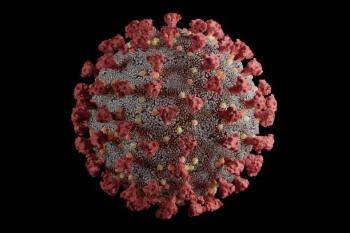
Initially authorized based on promising trial data, recent analyses raise questions about the effectiveness of nirmatrelvir/ritonavir and molnupiravir against new viral variants, particularly regarding mortality and hospitalization rates.

By analyzing 38 strains from patients, researchers identified clusters linked to frequent room changes, highlighting the need for improved infection control measures.

The model predicts and stratifies hepatocellular carcinoma risk by analyzing serum HBV DNA levels and other factors to enhance early detection and management.

Adults with type 2 diabetes who use metformin have a 13% to 21% reduced risk of developing Long COVID or dying from COVID-19 compared to those taking other diabetes medications.

Uzma Syed, MD, DO discussed how various factors increase women’s susceptibility to AMR, the importance of policies, and the need for culturally specific education and advocacy to improve health outcomes.

With no vaccines or specific treatments available, the mosquito-borne pathogen, which causes fever, severe headache, and joint pain, raises alarms due to its spread across the Americas.

At the World AMR Congress, Yann Ferris discussed how leveraging partnerships enhances the fight against antimicrobial resistance.

Protein organization could pave the way for effective vaccine development

Females are more frequently affected by Long COVID than males, highlighting distinct immunological processes and hormonal variations.

The benefits, challenges, and prospects of wastewater data in enhancing public health strategies against AMR.

The study on the E coli outbreak in the UK highlights the growing impact of climate change on public health and food security.

The gene USP26 is identified as a factor in hepatocellular carcinoma development and a potential therapeutic target.