
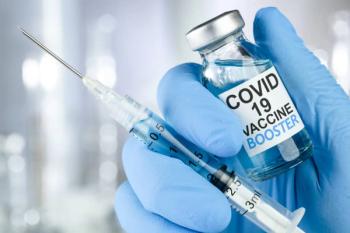
Boosted neutralization against variant XBB15 fades within 3 months post-first booster in transplant recipients but improves with a second, hybrid immunity enhances, suggesting 3-6 month boost intervals for solid organ transplant recipients.
Abene is currently a freelance writer and editor who contributes to Contagion. She is the former Assistant Editor for Contagion. She can be emailed at: sophiaabene@gmail.com.
Boosted neutralization against variant XBB15 fades within 3 months post-first booster in transplant recipients but improves with a second, hybrid immunity enhances, suggesting 3-6 month boost intervals for solid organ transplant recipients.
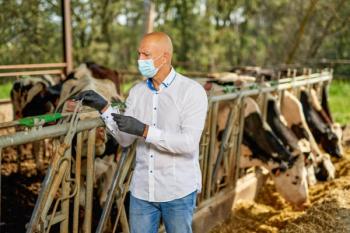
Recent studies in Emerging Infectious Diseases have highlighted the persistence of highly pathogenic avian influenza A (H5N1) virus on milking equipment surfaces and its presence in dairy cattle mammary glands.

Enjoy a healthy and memorable 4th of July by prioritizing food safety while savoring delicious meals with family and friends.
Novavax, Inc has unveiled promising results regarding its JN1 COVID-19 vaccine's efficacy against emerging virus variants, including KP2 and KP3.

Identifying specific T cell states and immune markers opens promising avenues for personalized treatment approaches, understanding COVID-19 progression, and paving the way for targeted therapies to mitigate severe cases effectively.
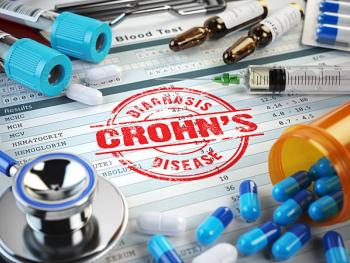
Focused on microbial dynamics and inflammatory markers during remission, the study reveals persistent dysbiosis in the small intestine despite clinical improvements.

DDW 2024 highlighted advances in managing recurrent C difficile infections, emphasis on the effectiveness of live biotherapeutic products and the impact of antibiotic stewardship, and more ongoing efforts in combating C difficile.
The FDA recalls ice cream, orzo, and mixed nuts. Also this week, interviews with Jared Baeten, MD, PhD, on Lenacapavir's 100% efficacy against HIV, and Jason Roberts, PhD, on the promise of continuous β-Lactam against sepsis, and more from Contagion.
During today's CDC Advisory Committee on Immunization Practices (ACIP) meeting, committee members voted to recommend the FDA-authorized 2024-2025 COVID-19 vaccines for individuals aged 6 months and older. Additionally, they reaffirmed the existing influenza vaccination guidelines for the 2024-2025 season.

Jared Baeten, MD, PhD emphasizes the importance of the innovative PURPOSE 1 study in the fight against HIV, coinciding with National HIV Testing Day, today serves as a reminder of the ongoing efforts to expand testing access and develop new tools to combat HIV globally.

A case study of an 80-year-old patient, illustrating successful management of dual H pylori and C diff infections with quadruple therapy, with key insights from Yazan Abboud, MD and Sima Vossough-Teehan, MD.
Updates from June 24, 2024, on FDA-issued food recalls highlight potential issues such as Listeria contamination, mold growth, and undeclared allergens.

The study analyzed over 15 years shows declining rates of chronic and acute Hepatitis B in China, which is expected to make a significant contribution to the global elimination of hepatitis B by 2030.

Researchers assess the efficacy of fecal microbiota transplantation (FMT) for first or second episodes of Cdifficile infection (CDI), demonstrating high initial cure rates and sustained in managing the condition.

Jason Roberts, PhD, notes that the BLING study has been a great success for infectious diseases and critical care as a research program, providing strong evidence supporting a meaningful intervention for patients, specifically in clinical cure rates and the occurrence of infections with multiresistant organisms.
Jason Roberts, PhD, discusses insights from the BLING III trial, outlining its study design and primary outcomes. His analysis centers on the clinical benefits of continuous infusions while addressing the complexities of antibiotic administration in critical care. This is part 1 of a 2-part series.

Michigan is taking decisive action to support dairy farms affected by the recent outbreak of highly pathogenic avian influenza (HPAI).
FDA approves pneumococcal vaccine V116, Salmonella outbreak linked to a household pet, Japan is currently facing an unprecedented surge in cases of streptococcal toxic shock syndrome, and more this week from Contagion.
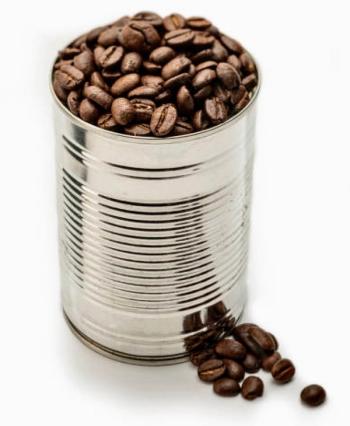
Snapchill coffee products recalled over botulinum toxin concerns.
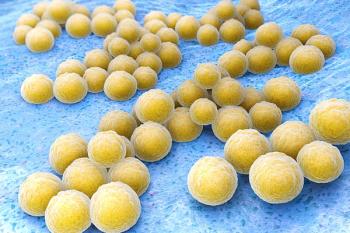
Understanding the evolving trends in antibiotic resistance among S aureus infections, commonly treated empirically with oral non–β-lactam antibiotics, is essential for guiding effective treatment strategies.
Zero HIV infections from the Phase 3 PURPOSE 1 Trial underscore the importance of innovative HIV prevention strategies across diverse populations.
Findings from the TAC ANRS 12311 trial revealed the success of tailored treatment combinations to the specific genotype of HCV to optimize efficacy and minimize adverse effects.

In a 17-year study across 2 Québec hospitals, researchers explored the relationship between antibiotic use and healthcare-associated Clostridioides difficile infections.

Jerry Krishnan, MD, PhD, working with NASEM, examines the multifaceted challenges of defining Long COVID as they introduce a unified definition for this persistent condition.

Study reveals an increase in hospital admissions and the need for advanced respiratory support, particularly among older, healthier children.
While the global clinical pipeline for antibacterial treatments displays notable activity, it remains inadequate to address the challenges of antimicrobial resistance.
Tailored for adults, V116's effectiveness covers serotypes linked to 84% of invasive pneumococcal disease in those 50+, outperforming existing vaccines in immune response rates.

Bearded dragon pets carrying this illness and infecting their loving caregivers create a significant public health concern.

Japan is currently facing an unprecedented surge in cases of streptococcal toxic shock syndrome (STSS), a severe and often fatal bacterial infection.
In response to evolving data on SARS-CoV-2 strains and rising COVID-19 cases, the FDA advises vaccine manufacturers to explore incorporating the KP2 strain into the upcoming 2024-2025 COVID-19 vaccine formula.