

A rise in cases of the waterborne pathogen.
Abene is currently a freelance writer and editor who contributes to Contagion. She is the former Assistant Editor for Contagion. She can be emailed at: sophiaabene@gmail.com.
A rise in cases of the waterborne pathogen.

The American Gastroenterological Association recommends fecal microbiota-based therapies for recurrent or severe C difficile infections and other gastrointestinal issues.
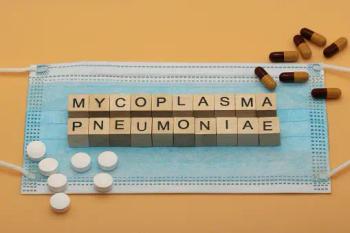
CDC reveals trends in M pneumoniae infections before, during, and after the pandemic.
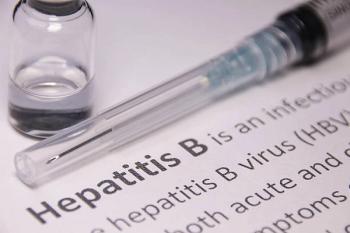
Shortage in hepatitis b virus (HBV) clinical trials within the WHO African region.
Innovative treatments, challenging prevention, and impact of climate change.
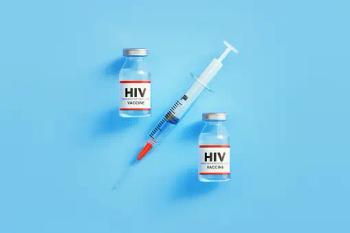
Phase 3 study shows ART treatment in maintaining viral load suppression
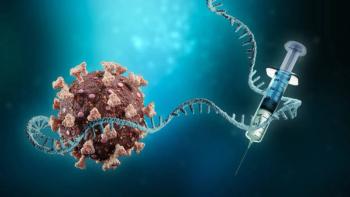
The mRNA-1647 vaccine demonstrated approximately a 50% efficacy against human cytomegalovirus (HCMV).
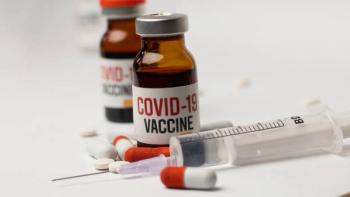
Study compares immune responses in cancer vs. non-cancer patients.
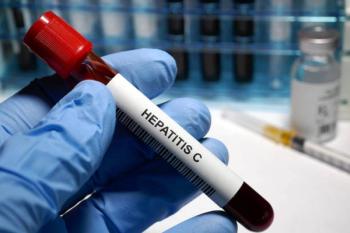
Accessibility to direct-acting antivirals affecting low and middle-income countries.
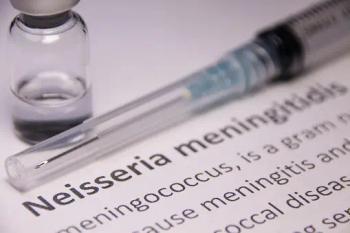
CDC is advocating for the adoption of alternative antimicrobial agents.

The impact of the new surveillance criteria on case identification.
This week, increased risk of long COVID in individuals who have tested positive for the virus, advancements in the preservation of the microbiome offer new strategies for healthcare-associated infections (HAIs), FDA-approved GSK's bepirovirsen signaling the company's goal to cure viral hepatitis, CDC considers changing 5-day COVID isolation guideline, and the first victim of the Alaskapox virus highlights the critical need for increased research into emerging infectious diseases.
Study reveals HEV adaptation during treatment.
CDC is currently investigating an outbreak of gastrointestinal illness.

Advancements in microbiome preservation offer new solutions for HAI.
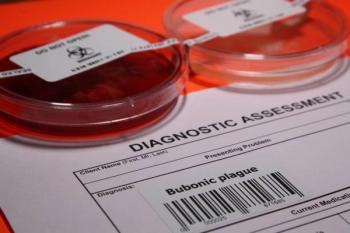
Oregon resident catches plague through a cat-to-human transmission.
First victim of the Alaskapox Virus highlights the need for increased research.

Increased risk of post-acute conditions (PASC) in SARS-CoV-2 positive patients.
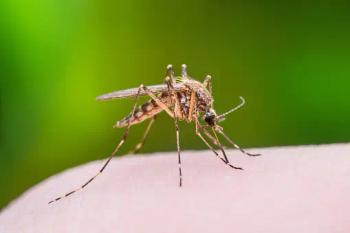
Study offers new insight into the relationship between Zika Virus and Dengue Virus in tropical regions.
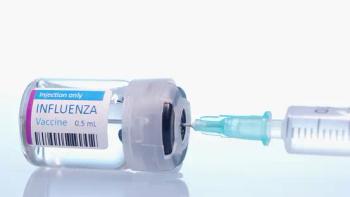
A recent study reveals the QIV-HD vaccine significantly lowers hospitalization rates compared to the standard-dose vaccine (QIV-SD).
This week, a study advocates enhancing hospital cleaning protocols to halt healthcare-associated infections; integrating HCV testing and antivirals in prisons to cut transmission of the disease; FDA announces listeria outbreak that leads to deaths and hospitalizations across 11 US states; CDC makes advances in foodborne outbreak detection via genome sequencing; and new data about the self-amplifying mRNA vaccine, ARCT-154.
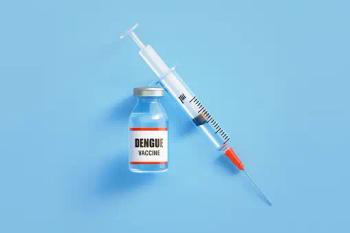
Phase 3 trial is highly effective in preventing symptomatic disease.

Phase 3 study reveals exebacase combined with standard antibiotics in treating methicillin-resistant Staphylococcus aureus (MRSA) bacteremia and endocarditis did not meet its primary endpoints.
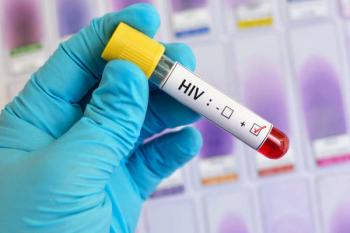
Study sheds light on the evolving landscape of HIV-related mortality since the advent of antiretroviral therapy (ART).

CDC endorses the role of antiviral drugs in combating COVID-19.

Study encourages enhancing protocols to clean and disinfect hospital beds and healthcare environments to stop the spread of healthcare-associated infections.
CDC's use of it and power law analysis have greatly enhanced the detection and understanding of US foodborne outbreaks.
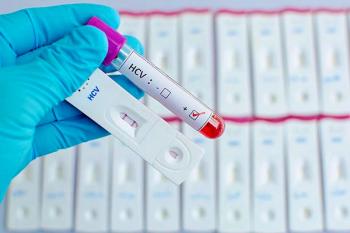
Combating hepatitis C (HCV) transmission through integrated testing and enhanced use of direct-acting antivirals within the prison system can reduce incidence rates.
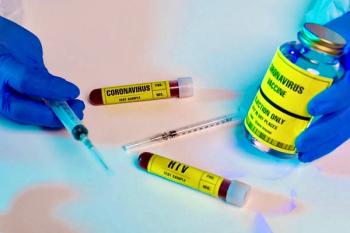
A study compared COVID-19 vaccination rates and found people with HIV (PWH) had a lower rate of completing the primary vaccination series.

Study will determine the effectiveness of vaccine in preventing invasive pneumococcal disease.