



C. Difficile
Latest News
Advertisement
Latest Videos



























































































































Advertisement
More News
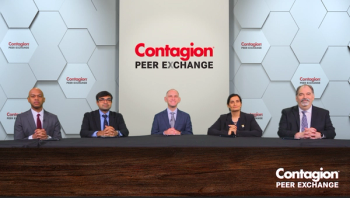
Matthew D. Sims, MD, PhD, FACP, FIDSA, discusses how fecal microbiota transplantation therapies are administered and shares his clinical experience.

Get caught up with the latest study information, feedback from people in the field, and news on the latest investigational therapies.
This week, a push for better care standards for C difficile, a survey shows low vaccination rates for respiratory viruses among Americans, Georgia achieves a reduction in chronic hepatitis C infections through collaborative efforts, and more.

Investigational C Diff Therapy Shows Favorable Microbiome Characteristics, Phase 3 Trial Planned
Published: | Updated:
The latest data highlight ibezapolstat’s effects on gut microbiome health and systemic exposure, crucial for CDI treatment, while also indicating its potential against Bacillus anthracis, prompting plans for a bioterrorism development initiative.
Study halted due to ineffective results, but the findings still provide valuable insights for future research and improve treatment strategies for those affected by CDI.

Cross-regional strains may spread more effectively in the community, highlighting the need for ongoing molecular surveillance to monitor their prevalence and detect potential changes.

A new study looked at Bacteroides thetaiotaomicron and C difficile infection (CDI) and their formation of symbiotic biofilms in the antibiotic's environment, and underscore the complexity of CDI prevention and the importance of considering gut microbiomes in treatment strategies.
Adults with type 2 diabetes taking metformin have a 13% to 21% lower risk of developing Long COVID or dying from COVID-19, recent analyses question the effectiveness of nirmatrelvir/ritonavir and molnupiravir against new variants, and more this week from Contagion.

Jeanine Thomas, president and founder of MRSA Survivors Network, talks about her personal battle with osteomyelitis, her work as an advocate, and the need for data and awareness to bring it to the forefront again.

By analyzing 38 strains from patients, researchers identified clusters linked to frequent room changes, highlighting the need for improved infection control measures.
This week, World AMR Congress interviews, Long COVID’s toll on the brain, e coli outbreak linked to lettuce, and more.

C diff remains a major healthcare burden globally, with over 225,000 hospitalizations in the US alone. Over half of these cases had recent antibiotic exposure, underlining the significant relationship between antibiotic use and the risk of the healthcare-associated infection.

Crestone’s novel therapy, CRS3123, demonstrated 97% clinical cure rate in small phase 2 study.

Debra Goff, PharmD, discusses her advocacy around this topic and bringing the stewardship message to dentists about how antibiotic prescribing practices have changed and getting them to recalibrate their thinking and actions in their field.
This week, MP Biomedicals launched rapid diagnostic tests for gastrointestinal pathogens, Invivyd's monoclonal antibody pemivibart shows an 84% reduction in symptomatic COVID-19 risk, Nestlé is acquiring global rights to the Vowst therapy for CDI, and more.

A study on vancomycin treatment, new data on the investigational Pfizer C diff vaccine, how individual antibiotics are ranked by risk for C difficile infection, and more.

The Phase 3 CLOVER trial still showed safety and potential benefits by reducing C difficile infection duration, medical attention needs, and antibiotic use.
Teena Chopra, MD, MPH, FACP, FIDSA, FSHEA, and Matthew D. Sims, MD, PhD, FACP, FIDSA, provide clinical insights on the rate of recurrence of C. difficile infections and the impact on patients.
A panel of experts provide an overview of the epidemiology of Clostridioides difficile infections, highlighting diagnostic practices and the role of antimicrobial stewardship.

In the second part of our interview with Christian Lillis, cofounder and CEO of the Peggy Lillis Foundation, he discusses what the passage of the Peggy Lillis Clostridioides difficile Inclusion Act would do for reporting of the infection as well as the potential ancillary effects around antibiotic development and antimicrobial resistance.

The study found that vancomycin is more effective than metronidazole in achieving event-free survival for C difficile infections across all infection severity levels.

Jeffery Silber MD, highlights VE303's consistent formulation as an advantage over traditional fecal transplants and discusses how the trial's patient-centric approach aims to improve outcomes and reduce healthcare-associated infections.

Individual antibiotics are ranked by risk for C difficile infection in an analysis of both randomized controlled trials and national adverse event reports.
Peggy Lillis Foundation CEO Christian Lillis talks about how he became involved in advocacy around C diff and his motivation in helping to bring a bill to Congress to make the healthcare-associated infection a nationally notifiable infectious disease and condition.
Enhanced diagnostic and surveillance measures for hypervirulent pathogens, new CDC safety data on RSV vaccines showing rare risks, updated IDSA guidance for managing antimicrobial-resistant infections, and more this week from Contagion.
Advertisement
Advertisement
Trending on Contagion Live
1
New IDSA/ESCMID S aureus Bacteremia Consensus Statements: a Risk Stratification Framework
2
On World Rabies Day, When to Seek Treatment, Clinical Considerations for Post Exposure Prophylaxis
3
Further Insights, Treatment Considerations Around the PETERPEN Study
4
VYD2311 Shows Superior Tolerability to mRNA COVID-19 Vaccine in Phase 3 Study
5