




Coronavirus / COVID
Latest News
Advertisement
Latest Videos










































































































































Advertisement
More News
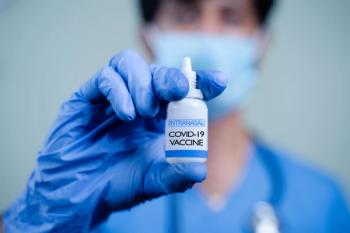
Intranasal COVID-19 vaccines aren’t just needle and pain-free—they may also be more effective at protecting against current and future variants.
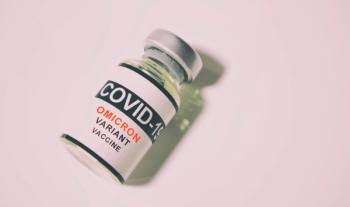
Omicron's numerous spike protein mutations caused mass concern, but one research team hypothesizes that its mutations are largely documented and thus susceptible to COVID-19 vaccination.

A recent study in Guangdong, China, confirmed vaccine effectiveness of inactivated COVID-19 vaccines against the Delta variant of COVID-19.
Not all people unvaccinated against COVID-19 people are actively avoiding the vaccine. A new study shows that Black people were vaccinated at lower rates than White people in the US early on, even after they indicated they were willing to get the shot. The study’s authors explain the reasons behind this.

During spring 2021, when Alpha was the dominant COVID-19 variant, a midsized Midwestern university’s vaccination initiative was associated with a significant decrease in COVID-19 infections.
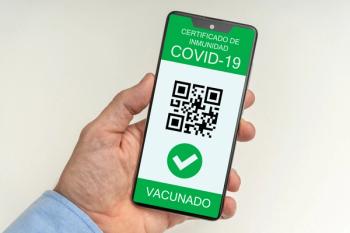
Low COVID-19 vaccination rates among Hispanic populations may be due to limited vaccine information available in Spanish.
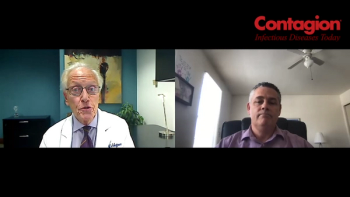
The company recently submitted its data to the federal regulatory authorities for an Emergency Use Authorization of its COVID-19 vaccine, NVX-CoV2373. As it's time to think about this potential vaccine being available in the US, clinicians offer some insights and perspective on it.

Triple COVID-19 vaccination or infection-plus-vaccination hybrid immunity induces high-quality antibodies, capable of neutralizing even the Omicron variant.

Economists from Johns Hopkins argue against government-mandated lockdowns and that they did not have the intended health care policy of protecting people during the pandemic.
The Centers for Disease Control and Prevention’s (CDC) Advisory Committee on Immunization Practices (ACIP) voted 13-0 in favor of the vaccine for adults.

COVID-19 patients who were vitamin D deficient before infection were 14 times more likely to have severe or fatal COVID-19 disease.

Findings could help in the development of “screening biomarkers and/or therapeutics,” authors say.
Pfizer-BioNTech asked the FDA for Emergency Use Authorization to administer its COVID-19 vaccine to children 6 months-5 years of age, despite evidence that 2 vaccine doses may not be enough to elicit the desired immune response.

Veru inc. received FDA Fast Track designation for the phase 3 trial oral sabizabulin, a treatment for hospitalized COVID-19 patients at high risk of acute respiratory distress syndrome (ARDS) or death.

Health care workers in Taiwan who were previously infected with SARS-CoV-1 showed a more robust antibody response to the AstraZeneca COVID-19 vaccine, a new study found.

Backed by solid data, clinicians can work to overcome vaccine hesitancy due to fears about negative pregnancy outcomes.
Moderna recipients were less likely to experience COVID-19 breakthrough infections and hospitalizations than the Pfizer-BioNTech group.
The company’s Spikvax vaccine was approved based on its submission that included efficacy and safety data approximately 6 months after second dose.

The first study to use optical genome mapping to assess severely ill COVID-19 patients identified 7 key structural variants.
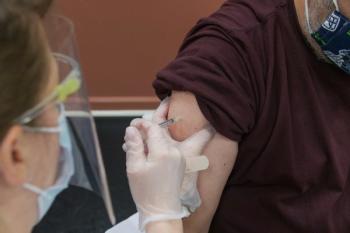
A booster vaccination increases protection against COVID-19 whether homologous or heterologous with the primary vaccine.
The Centers for Disease Control and Prevention (CDC) compared 2-dose mRNA vaccination to third dose booster and to unvaccinated, against both Omicron and Delta variants of SARS-CoV-2.

Before children were authorized to receive the Pfizer-BioNTech vaccine, living with 1-2 fully vaccinated parents significantly reduced children’s risk of COVID-19 infection during the Alpha and Delta periods.

In this first episode of Contagion Community, we interview vaccine research scientist Dr. Leonard Friedland about vaccination disparities in the US and around the world.

A new study sought to address how we approach treatments for these patients.
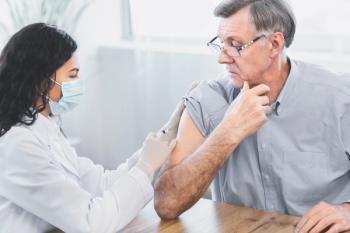
The expectation of COVID-19 vaccination side effects may be leading some placebo recipients to report adverse events in vaccine trials.
Advertisement
Advertisement
Trending on Contagion Live
1
Cefiderocol-Xeruborbactam Active Against Carbapenem-Resistant Bacteria
2
Pritelivir Cuts Hospital Days in Refractory HSV in Phase 3 PRIOH-1
3
Ebola Update: DRC Outbreak Reaches 9735 Cases, Second Largest on Record
4
Early Antibiotic Stop in Neutropenic Fever Did Not Raise Severe Events
5