



Prevention
Latest News
Advertisement
Latest Videos
















































































































































Advertisement
More News

The CRACKLE-2 study examined clinical characteristics of 3 CRE subsets in the US.
Colleen Kelley, MD, MPH, describes the current state of HIV vaccine efforts.

A new study demonstrates that the introduction of a universal immunization program had positive impact on the educational attainment of people in India’s school system.
Colleen Kelley, MD, MPH, discusses the importance of targeted youth HIV prevention measures.

Contagion® spoke to Onyema Ogbuagu, MD, who presented the week 96 results from the DISCOVER study evaluating F/TAF and F/TDF.
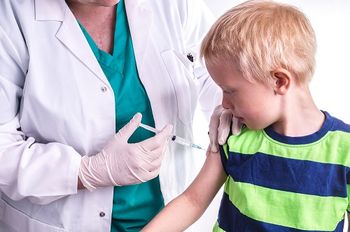
A study has identified geographic and socioeconomic drivers of conscientious vaccine exemption choice in Texas.

A team of investigators inadvertently discovered a way to preserve vaccines at room temperature for long periods of time.

A study evaluated whether frequent antibiotic use is associated with reduced infection related hospital admissions.

Investigators in Rochester, NY, detailed the emergence of 3 antibiotic-resistant strains of Streptococcus pneumoniae since the introduction of the 13-valent pneumococcal conjugate vaccine in 2010.

Is the US prepared for a pandemic? Signs and recent assessments suggest, no.
Investigators have shown that a new monoclonal antibody treatment is able to break apart communities of harmful bacteria, which could aid existing antibiotic treatments in more efficiently clearing out infections.
The investigators of a new observational cohort study on incidence of tetanus and diphtheria in 31 countries have provided data that suggest no benefit associated with performing adult booster vaccinations.
Antimicrobial stewardship experts are sharing their favorite tips and identifying myths about antibiotics.
Jason Gallagher, PharmD, FCCP, FIDSA, BCPS, discusses the significant drug approvals in ID over the course of 2019.

A new study looks at how vancomycin-resistant enterococci spread through contact between patients and health care workers.

A small but significant percentage of Americans believe common misconceptions about vaccines, and that misinformation was associated with social media use and lower trust of medical experts, a new study found.
Based on data from 4112 children and adults, vaccine effectiveness was estimated to be 37% against influenza A and 50% against influenza B viruses.
The US Food and Drug Administration approved the first adjuvanted quadrivalent influenza vaccine for adults 65 years and older.

Mark Riddle, MD, DrPH, speaks to Contagion at ACG 2019 about the results of a study looking into microbiome changes associated with single-dose antibiotics for the treatment of traveler's diarrhea.
The Advisory Committee on Immunization Practices has announced changes to the 2020 child and adolescent vaccine schedule.

The NIH has begun the first clinical trial evaluating the safety of a monthly dapivirine ring used to prevent HIV among pregnant women in eastern and southern Africa.

Pneumococcal conjugate vaccines have been effective at reducing pneumonia, sepsis, and bacteremia in immunized populations. Pneumococcal meningitis, however, remains a significant challenge.
A new study found that the Zoster Vaccine Live not only reduced the risk for shingles but also reduced stroke risk by 16% in older adults.

In Medicaid data spanning a decade, more than a quarter of prescriptions were not associated with a clinician visit.
The US Centers for Disease Control and Prevention Advisory Committee on Immunization Practices has released the 2020 Recommended Immunization Schedule for adults.
Advertisement
Advertisement