

This study implemented an Electronic Health Record in a major hospital system to catch otherwise undetected C diff infections.
This study implemented an Electronic Health Record in a major hospital system to catch otherwise undetected C diff infections.

The epidemiology society worked with a few medical organizations to update the guidance to limit infections.

The case and another probable case is being presented at next week’s European Congress of Clinical Microbiology & Infectious Diseases conference.

“The combination of the 2 drugs was shown in this trial to be noninferior to the standard 3-drug regimen,” said Jean Michel Molina, MD, PhD, lead investigator of Merck’s islatravir/doravirine study.

Investigators looked at people living with HIV (PLWH) and the impact of this form of medication on potential cardiovascular events.

“The biggest take-home message is to treat early,” says remdesivir investigator Mark Thrun, MD.
Here's a recap of our most newsworthy coverage of the CROI 2023 conference.

Remdesivir reduces COVID-19 mortality, in hospitalized patients who both did and did not require oxygen.

At the CROI conference, AELIX Therapeutics announced positive topline results for a phase 2a clinical trial.

Despite effective vaccines and other prevention and treatment modalities, hepatitis B remains a global health challenge. “It’s not for the lack of available tools,” says professor and hepatologist H. Nina Kim, MD, MSc.

“Patients deserve more than just viral suppression,” said Harmony Garges, MD, chief medical officer of ViiV Healthcare.

A researcher who presented at CROI discusses this prolonged and debilitating condition.

A clinician presenting at CROI discusses the phenomenon and offers insights and considerations for treating patients who are dealing with this.

Results reported at CROI showed that 2 cohorts of the ongoing, phase 3 DELIVER study that this form of PrEP modality posed no differences in pregnancy and infant outcomes.

“We should test everybody,” said Charles Béguelin, noting that the vast majority of hepatitis D infections go undetected.

“One size never fits all,” says hepatologist Anna Suk-Fong Lok, MD, emphasizing the need to tailor hepatitis B treatment to fit the patient.
A clinician offers insights on the initial conversations around learning to treat a chronic disease and the importance behind getting patients started down the right treatment path in the early days following a diagnosis.
The Conference on Retroviruses and Opportunistic Infections (CROI) begins today and SARS-CoV-2 has developed into a sustained topic at this annual conference.

Concerns of injectable HIV PrEP safety and efficacy demonstrate a need for health care providers to share reliable information with at-risk populations.

Although HIV PrEP uptake is gradually increasing, usage remains low among key at-risk populations.

What are the characteristics and demographics of the chronic hepatitis B patients who develop severe outcomes?

Experts discuss a range of the most topical infectious disease research, presented at the recent IDWeek 2022 conference.

In communities of color, hesitancy, mistrust, and access issues all drove low COVID-19 vaccination rates during the pandemic.

Previously thought to be difficult or impossible, one study found HCV and drug use can be treated concurrently in young adults.

How do we increase HIV PrEP uptake? “I think the biggest takeaway here is that people need options,” said Travis Sanchez, DVM, MPH.

Is it safe and beneficial to administer a second immunomodulator in patients with moderate COVID-19? How do we identify which patients are likely to progress to severe disease?
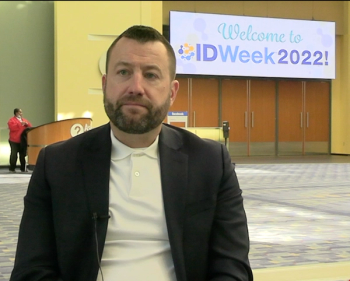
Lodise breaks down significant findings from his 8 IDWeek 2022 posters.

Remdesivir was the first FDA-approved drug to fight COVID-19, but how has it held up against the latest variants?
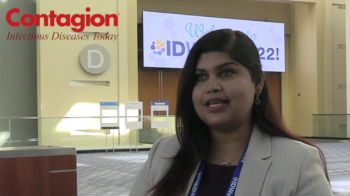
Northwestern Medicine developed a testing strategy using a two-step algorithm to improve diagnostic accuracy and treatment outcomes.
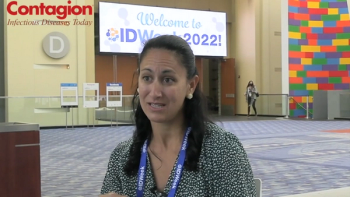
One HIV clinical care program in Delaware looked into strategies to increase immunization rates to decrease severe disease as well as minimize hospital capacity.