
A clinician presents data on this antibiotic for these troublesome infections at the ongoing MAD-ID conference.
A clinician presents data on this antibiotic for these troublesome infections at the ongoing MAD-ID conference.

A new study showed an introduction of beneficial microbiota.

Antifungal therapy was frequently initiated before essential diagnostic elements confirmed invasive fungal infections in critically ill COVID-19 patients.

Carlos Del Rio, MD, updates clinicians and the public on where we are now on the respiratory virus and the modalities to treat and prevent severe disease.

A clinician provides insights on this significant topic as well as resources in finding information on them.

A clinician offers some insights and considerations on clinical care as it pertains to climate.

COVID-19 symptom or viral rebound in the absence of antiviral treatment is common, but the combination of symptom and viral relapse is rare.

Among mpox patients treated with tecovirimat, there was no difference in treatment outcomes between those living with HIV and those without HIV.

A clinician offers ideas about who to target for immunization and strategic considerations when having these conversations.

One of the most challenging aspects of clinicans’ jobs is giving patients and staff bad news. A clinician offers some strategies to help shape an approach in having these conversations.

Artificial intelligence (AI) is being utilized already says one clinician. She explains her optimism about the technology, and says it will help augment any potential challenges providers have now or in the future.

A paradigm shift is emerging when it comes to the clinical approach to prescribing antibiotics. One clinician weighs in on using this class of therapeutics more judiciously.

An epidemiologist offers some insights on what we need to take into a potential next pandemic including infrastructure investment and more effectively communicating messages to the public.

This gathering is the nation’s largest for internal medicine doctors and has many infectious disease-related scientific sessions.
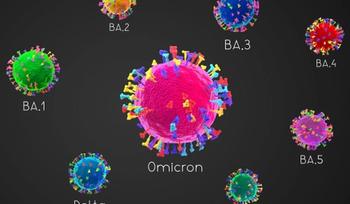
Omicron lineages, and especially BA.5, were determined to have higher reinfection rates and lower disease severity than previously circulating variants of concern.

Patients who contracted COVID-19 later in the pandemic (2021-2022) were more likely to develop new chronic diseases after infection than patients who caught COVID-19 in 2020.

Anemia is both common and independently associated with poor clinical outcomes in respiratory infections, including COVID-19.

The FDA’s Antimicrobial Drugs Advisory Committee (AMDAC) voted 12-0 in favor of recommending this antibiotic and sets up a PDUFA target action date of May 29.

Since the lifting of public health restrictions, the country saw a sizable increase in incidence rates.

Post-COVID-19 conditions were more common in unvaccinated children than in children who had received at least 1 dose of a COVID-19 vaccine.

With an FDA approval, it would be the first new class of oral antibiotics for uncomplicated urinary tract infections (uUTI) in over 20 years.

Poor sleep quality, deterioration in sleep quality, and sleep regularity were all linked to impaired lung function.

Several years after its FDA approval, this antibiotic continues to prove its efficacy in vitro across various pathogens related to these infections.

Alita Miller, PhD, senior vice president of research at Entasis Therapeutics, discusses positive trial data for Sulbactam-durlobactam (SUL-DUR) slated to be presented at ECCMID 2023.

A new study presented at the European Congress of Clinical Microbiology and Infectious Diseases (ECCMID) examined a rapid cellular host response test designed to aid providers who are working in emergency departments and need quick, efficient diagnostic information.

These study findings suggest COVID-19 admission testing may not be necessary in hospitals, as most asymptomatic COVID-19 patients were not infectious.

With limited amounts of antibacterials, prescribers are presented with optimal therapy challenges as well as difficulties in trying to achieve stewardship.

Reducing unnecessary antibiotic prescriptions for viral upper respiratory tract infections is crucial to stop the spread of antimicrobial resistance.

2 CDI recurrences occurred in this study, both in placebo recipients who were immunocompromised.

The Veterans Administration reported a reduction in the bacterial infection in healthcare settings where infection prevention practices were continued.